
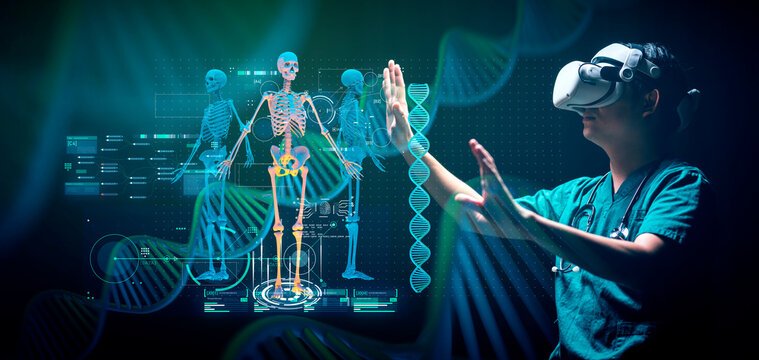
In 2025, healthcare is undergoing a profound transformation, and medical centers are at the forefront of this revolution. With advancements in technology, shifts in patient expectations, and the rising demand for personalized care, the way healthcare services are delivered is changing rapidly. Medical centers around the world are evolving to meet these new challenges and opportunities, embracing innovative practices that improve the quality of care, streamline operations, and enhance patient outcomes.
This blog will explore how medical centers are revolutionizing patient care in 2025, focusing on the key trends and innovations that are shaping the healthcare landscape. Whether you are a healthcare professional, patient, or simply someone curious about the future of healthcare, this post will provide valuable insights into the exciting changes taking place in the medical field.


The Role of Technology in Modern Medical Centers
AI and Machine Learning in Diagnostics
One of the most significant advancements in patient care in 2025 is the integration of artificial intelligence (AI) and machine learning (ML) in medical diagnostics. AI algorithms are now capable of analyzing vast amounts of patient data, including medical images, lab results, and genetic information, to identify patterns that may be missed by human doctors. This allows for earlier detection of diseases, more accurate diagnoses, and personalized treatment plans.
For instance, AI-powered tools can analyze X-rays, MRIs, and CT scans to identify early signs of cancer, heart disease, or neurological conditions. In some cases, AI is even outperforming human doctors in terms of accuracy and speed. These technologies not only save time but also improve patient outcomes by enabling earlier intervention.
Telemedicine and Virtual Care
Telemedicine has been growing in popularity for several years, but in 2025, it has become an essential part of healthcare delivery. Medical centers now offer virtual consultations, enabling patients to access healthcare from the comfort of their homes. This is particularly beneficial for individuals in remote or underserved areas, as it eliminates the need for travel and makes healthcare more accessible.
Virtual care is also expanding beyond consultations. Remote patient monitoring, for example, allows medical professionals to track patients’ vital signs in real time, providing continuous care without the need for in-person visits. Wearable devices and mobile apps have made it easier for patients to manage chronic conditions, such as diabetes or hypertension, while receiving guidance from their healthcare providers.
Robotic Surgery and Automation
In 2025, robotic surgery is becoming increasingly common in medical centers. Robots equipped with advanced sensors and AI technology are assisting surgeons in performing highly precise procedures with minimal invasiveness. This results in shorter recovery times, reduced risk of complications, and improved surgical outcomes for patients.
Automation is also streamlining administrative tasks in medical centers. From scheduling appointments to processing insurance claims, AI and automation technologies are helping medical centers reduce administrative burdens, allowing healthcare providers to focus more on patient care.
Personalized Medicine and Patient-Centered Care
Genetic Testing and Targeted Treatments
Personalized medicine is another area where medical centers are making significant strides in 2025. With the growing availability of genetic testing, healthcare providers are able to offer more tailored treatment plans based on an individual’s genetic makeup. This approach allows for the identification of genetic predispositions to certain diseases and the development of targeted therapies that are more effective for each patient.
For example, in cancer treatment, genetic testing can help identify specific mutations in tumor cells, enabling doctors to select the most appropriate drug or therapy. This not only increases the likelihood of success but also minimizes side effects, as treatments are designed to target the specific characteristics of the patient’s condition.
Integrating Mental and Physical Health
In 2025, medical centers are taking a more holistic approach to patient care by integrating mental and physical health. The recognition of the mind-body connection has led to a shift toward providing comprehensive care that addresses both physical and mental well-being. This integrated approach ensures that patients receive the support they need to manage stress, anxiety, depression, and other mental health conditions that can affect their overall health.
Many medical centers are now offering mental health services alongside traditional healthcare, with therapists and counselors working alongside doctors, nurses, and other healthcare providers. This collaboration ensures that patients receive a well-rounded care plan that supports their physical, emotional, and psychological needs.
Patient Empowerment through Data and Transparency
Access to Health Data
One of the most significant shifts in healthcare in 2025 is the increasing emphasis on patient empowerment. Medical centers are providing patients with greater access to their own health data, allowing them to take a more active role in their care. Through online portals and mobile apps, patients can view their medical records, track their progress, and communicate directly with their healthcare providers.
This transparency is not only helping patients become more informed about their health, but it is also fostering a stronger patient-provider relationship. When patients are empowered with the knowledge of their health status, they can make more informed decisions about their treatment options and take steps to improve their overall well-being.
Patient Feedback and Improved Care
Medical centers are also increasingly focusing on gathering and acting on patient feedback. Patient satisfaction surveys, online reviews, and direct feedback through mobile apps are helping healthcare providers identify areas for improvement and deliver a higher quality of care. This patient-centered approach is reshaping the way medical centers interact with their communities, ensuring that patient needs and preferences are at the heart of healthcare delivery.
By using feedback to continually refine their services, medical centers are improving patient experiences and outcomes. This emphasis on patient feedback is also helping healthcare providers better understand the diverse needs of their patients, enabling them to deliver more personalized and culturally sensitive care.
The Future of Healthcare: Challenges and Opportunities
Overcoming Healthcare Inequality
While medical centers are making great strides in improving patient care, challenges remain. One of the biggest obstacles to healthcare innovation is the persistence of healthcare inequality. In many parts of the world, access to quality healthcare remains limited, particularly in rural or low-income areas.
To address this, medical centers are increasingly focusing on outreach programs and partnerships with community organizations to ensure that everyone has access to the care they need. By leveraging technology, such as telemedicine and remote monitoring, medical centers can reach underserved populations and bridge the gap between healthcare providers and patients.
Balancing Technology with Human Touch
As technology continues to advance, there is a growing concern that the human touch in healthcare may be lost. While AI, robotics, and automation are transforming patient care, it is essential that medical centers maintain the personal connections that are so important to healing.
In 2025, the most successful medical centers are those that strike a balance between cutting-edge technology and compassionate, personalized care. Healthcare providers must continue to develop their skills in building relationships with patients, listening to their concerns, and offering emotional support.
Real-Time Health Data and Remote Monitoring
Wearable devices are becoming increasingly popular in 2025, not only for fitness tracking but also for real-time health monitoring. Medical centers are leveraging these devices to track vital signs like heart rate, blood pressure, glucose levels, and oxygen saturation, which can provide crucial data for patients managing chronic conditions. These devices send real-time data to healthcare providers, allowing them to monitor patients remotely and intervene when necessary.
For example, patients with diabetes can use wearable glucose monitors to track their blood sugar levels throughout the day. This data can then be sent directly to their healthcare provider’s system, enabling more accurate management of their condition. Similarly, wearables that monitor heart rhythms can detect irregularities or potential arrhythmias, alerting both the patient and their doctor to potential risks.
By integrating wearable technology into healthcare systems, medical centers are improving patient outcomes and reducing the need for frequent in-person visits. This is especially beneficial for elderly patients or those with mobility issues, who may find it difficult to travel to appointments.


Data-Driven Personal Health Plans
In 2025, medical centers are also using data from wearables and other devices to create highly personalized health plans. These plans are tailored to the individual’s lifestyle, medical history, and genetic information, making them far more effective than generic treatment approaches.
By continuously monitoring patients’ health data, medical professionals can make real-time adjustments to their treatment plans. For example, if a patient is on a weight-loss program, wearable devices can track their physical activity and calorie consumption, allowing doctors to adjust their recommendations based on their actual behavior. Similarly, patients undergoing rehabilitation for a sports injury can benefit from personalized exercise routines that are adjusted based on their progress.
This shift towards data-driven, personalized care empowers patients to take control of their health and enhances the effectiveness of medical interventions.
Advancements in Healthcare Accessibility
Mobile Health Applications and Convenience
The rise of mobile health apps is another trend that is revolutionizing patient care in 2025. These apps allow patients to book appointments, access their medical records, request prescriptions, and even communicate directly with their healthcare providers. Some apps also provide health tracking features, allowing patients to monitor various health metrics like diet, exercise, and medication adherence.
Mobile apps have made healthcare more accessible, particularly for busy individuals who may not have time to visit a clinic regularly. With a few taps, patients can receive healthcare services and support on their smartphones, anytime and anywhere. Additionally, apps that use AI and chatbots are providing patients with 24/7 assistance, answering questions about symptoms, treatments, and medications.
For example, apps like MyChart and Babylon Health are already providing patients with easy access to healthcare services. These apps streamline the process of booking doctor’s appointments, refilling prescriptions, and even getting virtual consultations. In 2025, more advanced apps are likely to provide even deeper integration with health data, making them an indispensable tool for healthcare management.
Global Access to Healthcare through Telehealth Networks
Medical centers are also expanding their reach through telehealth networks that connect patients in underserved or remote areas with healthcare providers. In many developing countries, where healthcare infrastructure is limited, telehealth offers a way for people to access specialized care that would otherwise be unavailable to them.
Telehealth networks are not only expanding access to primary care but are also enabling remote consultations with specialists. In 2025, it’s anticipated that even complex medical procedures can be monitored or even assisted remotely by expert doctors from across the globe. For instance, remote tele-surgeries, where a surgeon guides local doctors in real-time through advanced robotic systems, are becoming more common in areas where specialists are in short supply.
By increasing access to high-quality healthcare, telehealth networks are reducing healthcare disparities and ensuring that patients, regardless of location, receive the care they need.
The Role of Virtual Reality (VR) in Healthcare
VR in Pain Management and Rehabilitation
Virtual reality is making its way into medical centers as a tool for pain management and rehabilitation. In 2025, VR is being used to help patients manage chronic pain, reduce stress, and even recover from surgery or injury. By immersing patients in virtual environments, VR has been shown to reduce the perception of pain and help patients relax during medical procedures.
For example, in the case of burn victims, VR can be used to distract patients during wound care, reducing the need for pain medications. Similarly, VR is being used in physical rehabilitation programs, where patients engage in virtual exercises designed to improve motor skills and strength. This type of therapy has been particularly effective for individuals recovering from strokes, brain injuries, or musculoskeletal conditions.
VR for Medical Education and Training
Medical centers are also utilizing virtual reality for medical training and education. In 2025, VR is allowing doctors, nurses, and medical students to practice surgeries, diagnoses, and other procedures in a safe, controlled environment. By simulating real-world scenarios, VR allows medical professionals to gain hands-on experience without putting patients at risk.
Additionally, VR technology is being used for patient education. By using VR to show patients what to expect during a procedure or how to manage a chronic condition, healthcare providers are improving patient understanding and reducing anxiety.
Sustainability in Medical Centers: A Green Revolution
Eco-Friendly Medical Facilities
As the world becomes more environmentally conscious, medical centers are stepping up their efforts to adopt sustainable practices. In 2025, many hospitals and medical centers are focusing on reducing their carbon footprints by implementing eco-friendly building designs, using renewable energy sources, and reducing waste.
For example, hospitals are increasingly using solar panels, wind turbines, and other renewable energy sources to power their operations. Medical centers are also implementing waste reduction strategies, such as recycling, composting, and using biodegradable medical supplies. Some hospitals have even adopted “green” building certifications like LEED (Leadership in Energy and Environmental Design) to ensure their facilities meet the highest standards for sustainability.
By embracing sustainability, medical centers are not only reducing their environmental impact but are also setting a positive example for other industries to follow. The healthcare sector’s commitment to sustainability ensures that future generations will benefit from healthier environments, both inside and outside the medical facility.
Green Initiatives in Pharmaceuticals
Medical centers are also exploring ways to make the pharmaceutical industry more sustainable. The growing focus on green pharmaceuticals means that more drugs are being manufactured with minimal environmental impact. Medical centers are partnering with pharmaceutical companies that prioritize sustainability in their production processes, such as using eco-friendly packaging and minimizing chemical waste.
This push for sustainability in the pharmaceutical sector is not only benefiting the planet but also improving public health. By reducing environmental pollutants, medical centers are helping to ensure that future generations are not exposed to harmful chemicals and toxins.
The Road Ahead: Embracing Change in Healthcare
As we move further into 2025, medical centers will continue to evolve, driven by the rapid advancements in technology, patient-centered care, and sustainability. The healthcare landscape will keep shifting toward more efficient, personalized, and accessible care, improving patient outcomes and overall satisfaction.
However, the healthcare system must remain flexible and adaptive to address ongoing challenges, such as healthcare inequality, mental health support, and the ethical considerations of emerging technologies. As medical centers embrace new technologies, they must also ensure that the human element of care remains at the forefront of everything they do.
In conclusion, medical centers in 2025 are redefining what is possible in healthcare. By embracing innovation, integrating new technologies, and prioritizing patient-centered care, they are improving the way patients experience care, making healthcare more accessible, and paving the way for a healthier, more sustainable future.
Call to Action:
If you’re interested in learning more about the future of healthcare, be sure to stay updated with the latest trends and advancements. Don’t hesitate to reach out if you have any questions or thoughts about the changes happening in healthcare. Your feedback is always appreciated!


Conclusion: A New Era in Patient Care
The future of healthcare is bright, and medical centers are leading the charge in revolutionizing patient care. From AI-powered diagnostics to personalized medicine and patient-centered care, the innovations of 2025 are transforming the healthcare landscape in ways that were once unimaginable.
As technology continues to evolve, so too will the way we receive care. Medical centers will continue to embrace new tools, strategies, and approaches that improve patient outcomes, increase access to care, and empower patients to take control of their health.
FAQs:
How is AI transforming patient care in medical centers?
AI is revolutionizing patient care by improving diagnostic accuracy, enabling personalized treatments, and streamlining administrative tasks. AI algorithms can analyze large amounts of data, such as medical images and patient history, to detect early signs of diseases like cancer, heart disease, and neurological disorders. This leads to quicker, more accurate diagnoses and better patient outcomes.
What is telemedicine, and how does it improve patient care?
Telemedicine allows patients to consult with healthcare providers remotely through video calls, phone calls, or online chat. It improves access to care, especially for patients in rural or underserved areas, and offers convenience for those who cannot easily travel to a clinic. It also enables ongoing care through remote monitoring of chronic conditions, reducing the need for frequent in-person visits.
What role do wearable devices play in patient care in 2025?
Wearable devices are crucial for continuous patient monitoring. These devices track vital signs such as heart rate, blood pressure, glucose levels, and physical activity. They provide real-time data that is shared with healthcare providers, allowing for proactive care. Wearables help manage chronic conditions like diabetes and hypertension and enable early detection of potential health issues.
How are medical centers integrating mental and physical health care?
In 2025, medical centers are adopting a holistic approach by integrating mental and physical health services. This means offering mental health support alongside traditional physical healthcare. Medical providers are working together to address conditions like anxiety, depression, and stress, recognizing that mental health significantly impacts physical health. This integrated care model leads to better overall patient outcomes.
What are some of the challenges medical centers face in adopting new technologies?
While new technologies like AI, telemedicine, and wearables are improving patient care, medical centers face challenges such as data privacy concerns, the high cost of technology adoption, and ensuring that healthcare professionals are adequately trained to use these tools. Additionally, maintaining a balance between technology and the human touch in patient care remains a priority.