
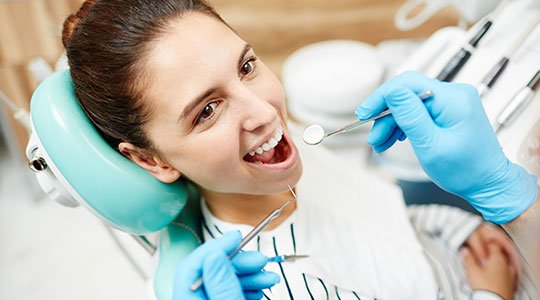
Losing teeth can feel like losing a part of your confidence, and it’s not just about appearance. It impacts your ability to eat, speak, and, of course, smile. Thankfully, removable prosthodontics have revolutionized the way we restore missing teeth. From complete dentures that replace a full set of teeth, to partial dentures that fill in gaps, these dental solutions bring both functional and emotional benefits. Let’s dive into how these prostheses not only fix your smile but also improve your confidence.
How Removable Prosthodontics Can Transform Your Smile and Boost Confidence
There’s no denying the power of a good smile. It’s one of the first things people notice about us. When you lose a tooth—or several—it can leave you feeling self-conscious. Dentures are a fantastic solution to restore your natural smile, no matter how many teeth you’ve lost.
Whether it’s complete dentures or partial dentures, these prosthetics can immediately enhance your appearance. And it’s not just about how you look—they help you feel more confident. Having a full, natural-looking set of teeth again lets you smile without worrying about gaps or discomfort.
Beyond appearance, dentures also bring back the function of your teeth, so you can eat, talk, and enjoy life just like before. The ability to smile, laugh, and speak freely boosts your self-esteem and makes social interactions much easier.
The Science Behind Removable Prosthodontics: A Key to Restoring Your Smile
Dentures are more than just cosmetic; they are designed based on precise scientific principles to make your smile look and feel natural. The materials used, like acrylic resin and ceramic, are carefully selected to replicate the look of natural teeth. Dentists use molds of your gums and mouth to create dentures that fit snugly and comfortably.
These prosthetics restore both the appearance of your smile and the function of your teeth. They allow you to chew, speak, and maintain your facial structure, all while being crafted to suit your unique mouth shape. Thanks to advanced technology like 3D scanning and CAD/CAM systems, dentures today fit better and look more natural than ever before.
Complete vs. Partial Dentures: Which Removable Prosthodontics Option Is Right for You?
Choosing between complete and partial dentures depends on how many teeth are missing. If you’ve lost all your teeth in either the upper or lower jaw, complete dentures will restore a full smile. They fit snugly over your gums and are designed to stay in place, often using suction to hold them securely.
On the other hand, if you have some remaining natural teeth, partial dentures are designed to fill the gaps. These dentures are supported by your existing teeth and are held in place with clasps or other attachments. They can be a more flexible solution, providing both functionality and comfort.
Choosing the right option for you depends on the number of missing teeth and the condition of the remaining teeth. Consulting with your dentist will help you determine which is best suited to your needs.
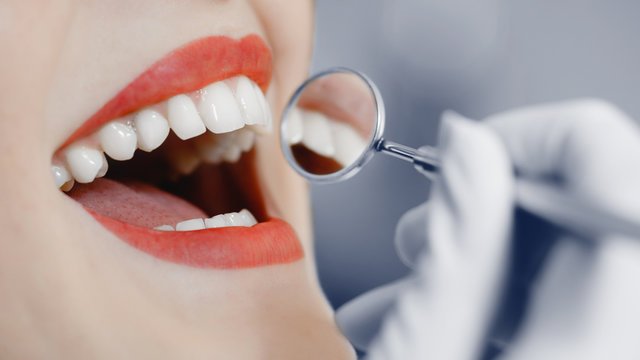
Why Removable Prosthodontics Are a Game Changer for People with Missing Teeth
For anyone missing teeth, dentures are a real game-changer. They not only restore your smile but also bring back essential functionality. Dentures allow you to eat a wider variety of foods, speak more clearly, and feel more comfortable in social situations.
Missing teeth can impact your ability to chew properly, leading to poor nutrition or difficulty enjoying your favorite foods. Dentures fix this problem by replacing the missing teeth, enabling you to chew comfortably again. This means you can enjoy a more balanced diet without the hassle of worrying about food getting stuck or becoming difficult to chew.
The Art of Designing Removable Partial Dentures: What You Need to Know
Designing partial dentures requires careful planning and precision. Dentists begin by taking accurate molds of your mouth to ensure the dentures fit perfectly. They then select artificial teeth that blend seamlessly with the rest of your natural teeth.
A good fit is key to ensuring comfort, so the framework and design are tailored to your unique dental structure. Whether it’s a metal or acrylic frame, the goal is to create a denture that doesn’t just fit well but also looks natural and blends in with your smile.
How Removable Prosthodontics Improve Your Oral Health and Everyday Life
Dentures go beyond just improving how you look—they make everyday life easier and healthier. For example, dentures restore your ability to chew, which is essential for maintaining a balanced diet. They also help with speaking clearly, which can be a challenge when you’re missing teeth.
In addition, wearing dentures helps preserve your jawbone. Teeth are crucial for maintaining the structure of the jaw, and when they’re missing, bone loss can occur. Dentures provide some stimulation to the jaw, helping to slow down this process and maintain the shape of your face and gums.
Common Myths About Removable Prosthodontics Busted: What You Should Know
There are plenty of myths about dentures that might discourage people from exploring this option. Let’s debunk some of the most common ones:
- Myth: Dentures are uncomfortable and unnatural.
- Fact: Modern dentures are designed to be comfortable and feel natural, especially when properly fitted.
- Fact: Modern dentures are designed to be comfortable and feel natural, especially when properly fitted.
- Myth: Dentures are only for elderly people.
- Fact: People of all ages can benefit from dentures, whether due to injury, disease, or genetics.
- Fact: People of all ages can benefit from dentures, whether due to injury, disease, or genetics.
- Myth: Dentures are a temporary solution and need constant replacing.
- Fact: With proper care, dentures can last for several years. Regular check-ups ensure they remain in good condition.
- Fact: With proper care, dentures can last for several years. Regular check-ups ensure they remain in good condition.
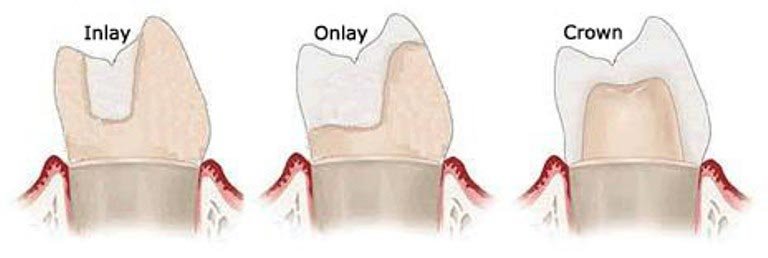
Removable Prosthodontics Care: Tips for Maintaining Your Dentures for Long-Lasting Results
To keep your dentures in great condition, regular care is essential. Here are a few simple tips:
- Clean them daily: Brush your dentures gently with a soft-bristled brush and mild soap to remove plaque and food.
- Rinse after meals: After eating, rinse your dentures to remove food debris.
- Store them properly: When you’re not wearing your dentures, keep them in water or a special denture solution to prevent them from drying out and losing their shape.
How to Choose the Best Removable Prosthodontics for Your Unique Smile
Choosing the right removable prosthodontics depends on your unique needs and mouth structure. Start by consulting your dentist, who will guide you through the process.
Here are a few things to consider:
- Complete or partial dentures? If most of your teeth are missing, a complete denture is ideal. If only a few teeth are gone, partial dentures are the way to go.
- Material options: Acrylic, metal, and flexible dentures each have their pros and cons. Your dentist will help you decide which material works best for your lifestyle and comfort.
- Fit: Custom dentures fit much better and feel more comfortable than over-the-counter options, so a personalized mold is highly recommended.
The Psychological Benefits of Wearing Removable Prosthodontics: More Than Just a Smile
Beyond the physical benefits, dentures can have a significant impact on your mental well-being. When you lose teeth, it’s not just your appearance that’s affected—it’s also your confidence and self-esteem.
Wearing dentures allows you to smile freely again, knowing your teeth look natural. Many people experience a huge boost in confidence, especially in social situations. Plus, knowing that you can eat and speak normally again helps ease anxiety and makes you feel more relaxed in day-to-day interactions.
Why Dentures Are No Longer a “One-Size-Fits-All” Solution: Custom Removable Prosthodontics Explained
Dentures today are anything but one-size-fits-all. With advances in dental technology, custom dentures are designed to fit each person’s mouth precisely. Dentists take detailed measurements, create impressions, and sometimes even use 3D scanning to ensure the dentures fit perfectly and feel natural.
Gone are the days of uncomfortable, ill-fitting dentures. Now, you can get a personalized, comfortable solution that restores both your smile and function with ease.
In conclusion, removable prosthodontics offer much more than just a way to restore missing teeth. They improve appearance, enhance confidence, and bring back essential functionality like chewing and speaking. Whether you need full dentures or partial dentures, the benefits are undeniable. By choosing the right prosthesis, maintaining good care, and understanding the science behind them, you can regain your smile—and your confidence—like never before.
FAQs
What are removable prosthodontics?
Removable prosthodontics refer to dental devices like dentures that replace missing teeth. They are designed to restore both the functionality and appearance of your smile. These prostheses can be either complete dentures (for a full set of missing teeth) or partial dentures (to fill gaps between remaining natural teeth).
Who needs removable prosthodontics?
Anyone who has lost teeth—whether due to aging, accidents, or disease—can benefit from removable prosthodontics. Both young adults and seniors may need dentures, depending on the number of missing teeth and their oral health condition.
Are dentures comfortable to wear?
Modern dentures are designed to be comfortable and natural-looking. With advancements in materials and technology, dentures today fit better and feel more natural than in the past. However, it may take a little time to get used to them, especially if it’s your first set.
How long do dentures last?
With proper care, removable dentures can last between 5 to 10 years. Over time, however, the shape of your gums and jaw may change, which could require adjustments or new dentures.
How do I care for my dentures?
To keep your dentures in good shape, follow these care tips:
Brush daily with a soft-bristled toothbrush and mild soap.
Rinse after meals to remove food debris.
Soak overnight in water or a denture solution to prevent them from drying out.