
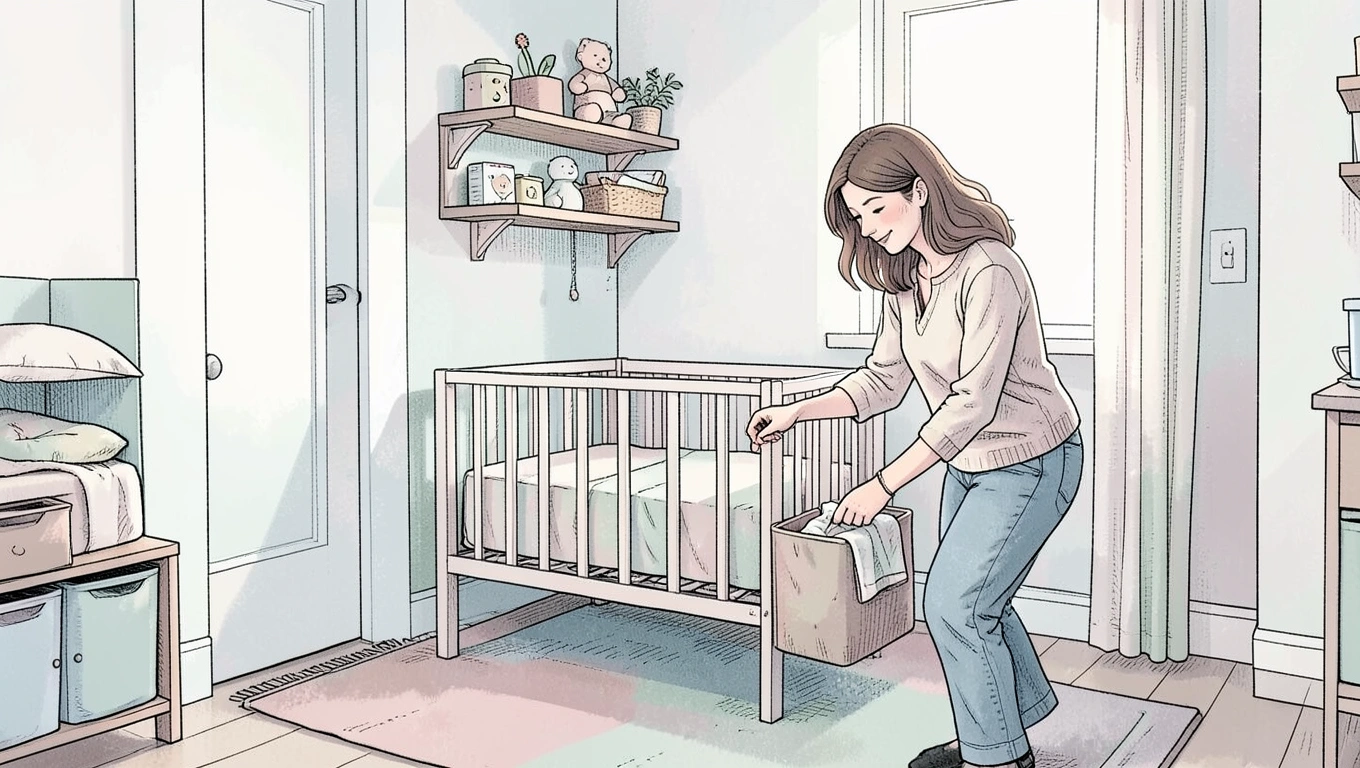
Welcoming a new baby means rethinking your space, especially when square footage is tight. Many parents today face the challenge of sharing their bedroom with an infant, and the good news is that room-sharing is not only practical but recommended for safety. The American Academy of Pediatrics suggests room-sharing for at least the first six months to help reduce the risk of SIDS. Creating a functional baby corner in a small bedroom doesn't require a complete overhaul or a spare room. With smart furniture choices, vertical storage solutions, and a few creative boundaries, you can carve out a cozy, organized nursery nook that works for everyone. Let's look at how to make it happen without sacrificing your own comfort or sanity.
Choosing the Right Sleep Setup for Tight Spaces
The crib is often the biggest piece of nursery furniture, and in a small bedroom, size matters. A standard crib takes up about 30 inches by 52 inches of floor space, which can feel overwhelming when you're already working with limited room. This is where mini cribs and bassinets become your best friends. A mini crib typically measures around 24 inches by 38 inches, shaving off valuable inches while still providing a safe sleep environment. Bassinets are even smaller and portable, perfect for those early months when you want baby within arm's reach during nighttime feedings.
When selecting your sleep setup, think about how long you'll use it. Mini cribs can work until toddlerhood for many children, though some babies outgrow them around 18 months. Bassinets are designed for infants who can't yet sit up or roll over, usually until about four to six months. If you're tight on budget and space, starting with a bassinet and transitioning to a mini crib later can stretch your resources. Look for models with built-in storage underneath, like drawers for sheets and sleepwear, to maximize every inch.
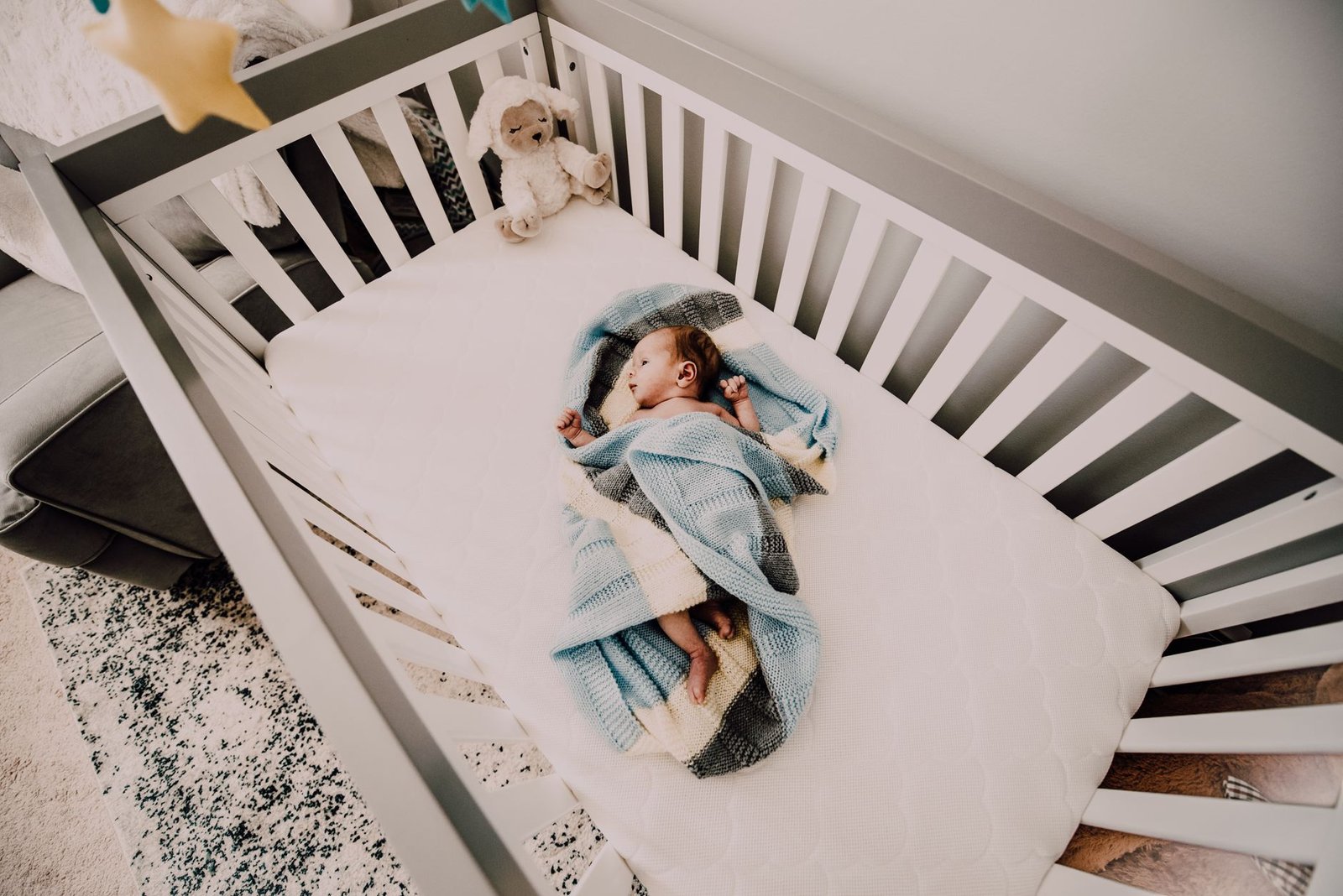
Placement is equally important. Position the crib or bassinet away from windows, blinds with cords, and heating vents. You'll want easy access from your bed for those middle-of-the-night check-ins, but not so close that you bump into it constantly. Corner placement often works best, keeping the baby's area defined while leaving pathways clear around your own bed.
Creating Visual Boundaries Without Building Walls
One of the smartest ways to make a baby corner feel intentional is to create visual separation without permanent construction. This gives the nursery nook its own identity while keeping the room flexible. Rugs are a simple starting point. Place a soft, washable rug under and around the crib area to define the baby zone. This not only looks intentional but also provides a comfortable spot for late-night diaper changes or tummy time once your little one is older.
Curtains offer another layer of division. Hanging a curtain rod from the ceiling and draping fabric can create a soft partition that blocks light during nap time and gives you some visual privacy when you need the baby area tucked away. Choose blackout fabric if light control is important, or go with a sheer option if you prefer to keep sight lines open. The best part is that curtains are completely removable when you reclaim the space later.
Folding screens and room dividers work similarly. They don't require installation and can be moved or stored as needed. Look for options with shelving or pockets built in to add storage functionality. Even a tall bookshelf positioned perpendicular to the wall can serve as a divider while providing space for books, toys, and baby essentials. The key is creating just enough boundary that the nursery corner feels like its own space without making your bedroom feel chopped up.
Maximizing Vertical Space and Dual-Purpose Furniture
When floor space is scarce, the walls become your storage solution. Vertical storage transforms unused wall space into functional organization. Wall-mounted shelves above the changing area or crib keep diapers, wipes, and creams within easy reach without eating up floor space. Floating shelves can hold books, small toys, and decorative items that make the corner feel complete. Just make sure anything mounted above the crib is secured properly and doesn't hold heavy items that could fall.
Over-the-door organizers are surprisingly useful for baby supplies. Hang one on the bedroom door or closet door to store everything from onesies to burp cloths. These organizers come in clear pocket styles that let you see what's inside at a glance, saving precious seconds during those rushed moments. Some parents also use command hooks on walls to hang diaper bags, laundry bags, or even a small caddy with daily essentials.
Dual-purpose furniture is essential. A dresser can double as a changing station by simply placing a changing pad on top. This saves you from buying a separate changing table and gives you built-in storage for clothes and linens. Look for dressers with a wide, stable top surface and secure them to the wall to prevent tipping. Some parents use a small bookshelf with a changing pad on top for an even more compact solution. The idea is that every piece of furniture should work overtime, serving multiple functions to justify its footprint.
Organizing Baby Essentials Without Clutter
Babies come with a surprising amount of stuff, and keeping it organized in a small space requires ruthless editing and smart systems. Start by identifying what you actually need within arm's reach and what can be stored elsewhere. Diapers, wipes, a few changes of clothes, and nighttime feeding supplies should be in the nursery corner. Bulk packages, seasonal clothes, and rarely used items can live in a closet, under the bed, or in another room.
Use baskets and bins to contain similar items. Label them if that helps you stay organized. Soft fabric bins work well on shelves and can be easily swapped out as your baby's needs change. Clear plastic containers let you see contents at a glance. Group items by function - one bin for diapering supplies, another for feeding accessories, one for bath time. This system keeps things tidy and makes it easy for anyone helping with baby care to find what they need.
Rotating items is a game changer as your baby grows. You don't need every size of clothing displayed at once. Keep the current size accessible and store the rest in vacuum bags or bins. The same goes for toys - babies don't need many in the early months, so resist the urge to display everything. A few key items are enough, and you can rotate them to keep things feeling fresh without creating visual chaos. Setting up a nursery corner successfully means being selective about what earns a place in your limited space.
Summary
- Room-sharing for at least six months is recommended by pediatricians to reduce SIDS risk.
- Mini cribs and bassinets save significant floor space compared to standard cribs.
- Visual boundaries like rugs, curtains, or folding screens define the baby area without permanent changes.
- Vertical storage with wall shelves and over-the-door organizers maximizes space efficiency.
- Dual-purpose furniture, like a dresser used as a changing station, reduces the need for extra pieces.
- Organized bins and regular item rotation keep baby supplies manageable in tight quarters.
- Strategic placement away from windows and hazards ensures safety in shared sleeping spaces.
Final Thought
Creating a baby corner in your small bedroom is less about having the perfect nursery and more about building a functional, safe space that supports your new family rhythm. The constraints of a small space can actually simplify decision-making, forcing you to focus on essentials and let go of the excess that clutters many full-sized nurseries. Your baby won't remember whether they had a designer nursery or a cozy corner, but they'll thrive with your closeness during those early months.
The setup you create now is temporary. Babies grow, needs change, and eventually you'll reclaim your bedroom. In the meantime, the practicality of having everything within reach during those exhausting newborn nights is invaluable. Don't measure your success by Pinterest-perfect photos. Measure it by whether the space works for your daily life, keeps your baby safe, and lets everyone get as much sleep as possible. That's the real win, and it's completely achievable even in the smallest bedroom.
Questions?
How long can a baby sleep in a mini crib?
Most mini cribs work until around 18 to 24 months, depending on your child's size and development. Once your toddler can climb out or reaches the height limit specified by the manufacturer, it's time to transition. Some children move to a toddler bed at this point, while others go straight to a twin mattress on the floor for safety.
What's the smallest space needed for a nursery corner?
You can create a functional nursery corner in as little as 25 to 30 square feet. This allows room for a mini crib or bassinet, a small dresser or changing surface, and minimal floor space for movement. The key is using vertical space efficiently and choosing compact furniture designed for small areas.
How do I keep the baby area from taking over my bedroom?
Use visual boundaries like curtains or room dividers to contain the nursery zone. Store only current-size items in the bedroom and keep excess supplies elsewhere. Choose furniture in colors that complement your existing decor rather than creating a stark contrast. Regular decluttering and rotating items as baby grows prevents accumulation.
Can I safely mount shelves above a crib?
Yes, but with precautions. Shelves above cribs should be securely anchored into wall studs, not just drywall. Keep them high enough that a standing toddler can't reach, and never place heavy items on them. Avoid glass, sharp objects, or anything that could fall. Many parents prefer to mount shelves on adjacent walls instead for added peace of mind.