Rainy days have a way of turning a perfectly planned afternoon into a scramble for indoor entertainment. When screens lose their appeal and energy levels remain high, parents often wonder how to keep children occupied without constant supervision. The good news is that kids can enjoy plenty of engaging activities on their own, giving everyone a chance to recharge. These quiet rainy day pursuits encourage independence, spark creativity, and help children develop problem-solving skills while parents catch a breath. Whether your child prefers hands-on projects, imaginative play, or calm reflection, there are countless ways to transform a grey afternoon into an opportunity for growth and self-discovery.
Reading Corners and Story Creation
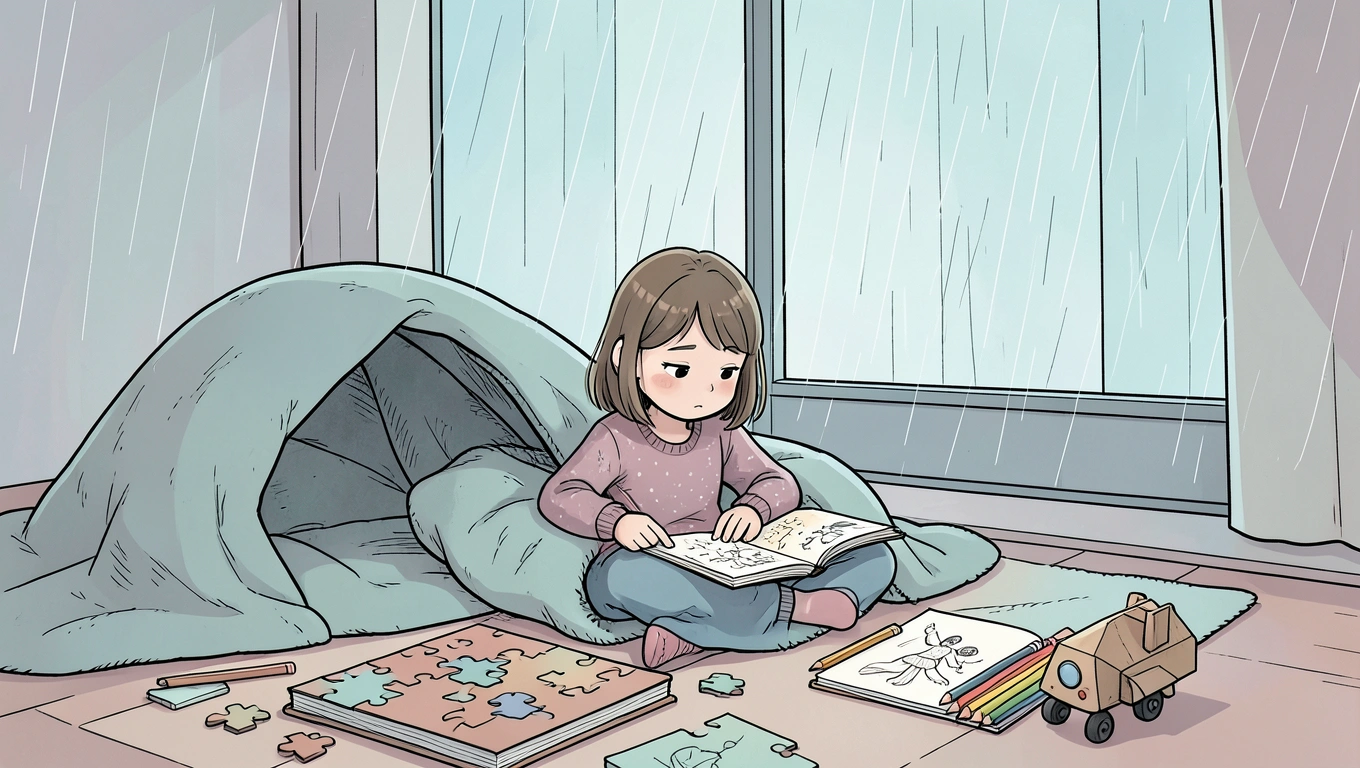
Setting up a cozy reading nook gives children a dedicated space to lose themselves in books. A few pillows, a soft blanket, and good lighting turn any corner into a literary escape. Younger children might flip through picture books independently, while older kids can tackle chapter books or graphic novels that match their reading level. The beauty of reading as a solo activity is that it builds concentration and expands vocabulary without any input from adults.
Beyond reading existing stories, children can create their own narratives. Providing a blank notebook and some colored pencils allows kids to write and illustrate their own tales. Some children prefer dictating stories into a recording device, then playing them back and adding sound effects. Story stones, which are simply painted rocks with images on them, can prompt creative storytelling. A child draws a few stones from a bag and weaves a narrative connecting the pictures. This activity strengthens sequencing skills and encourages imaginative thinking without requiring an audience.
For children who enjoy structure, story starter prompts can help overcome the blank page intimidation. Simple sentences like "The door creaked open and I saw..." or "When I woke up, everything was purple" give just enough direction while leaving room for individual creativity. The key is providing materials and space, then stepping back to let their imagination run.
Arts, Crafts, and Building Projects
Creative projects offer children a chance to work with their hands and see tangible results from their efforts. Painting, drawing, and collage-making require minimal setup and can occupy kids for extended periods. Watercolors are particularly forgiving for independent work since mistakes become part of the design. Collages made from old magazines, fabric scraps, or natural materials collected during previous outdoor adventures allow children to explore composition and color without the pressure of "getting it right."
Simple craft projects using household items tap into resourcefulness. Cardboard boxes transform into castles, spaceships, or puppet theaters with just scissors, tape, and markers. Empty toilet paper rolls become binoculars or building blocks. Paper plates turn into masks or animals. The PBS KIDS for Parents resource highlights how these open-ended materials encourage children to design and problem-solve independently, building confidence along the way.
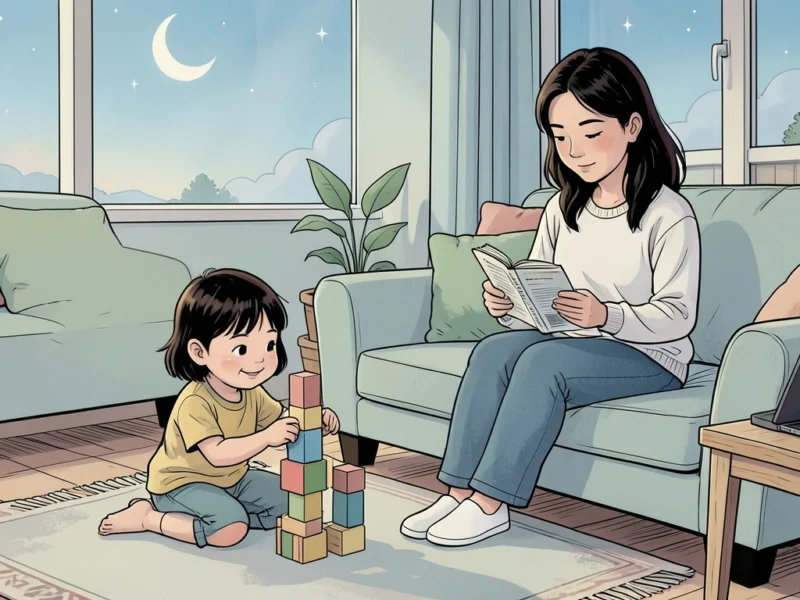
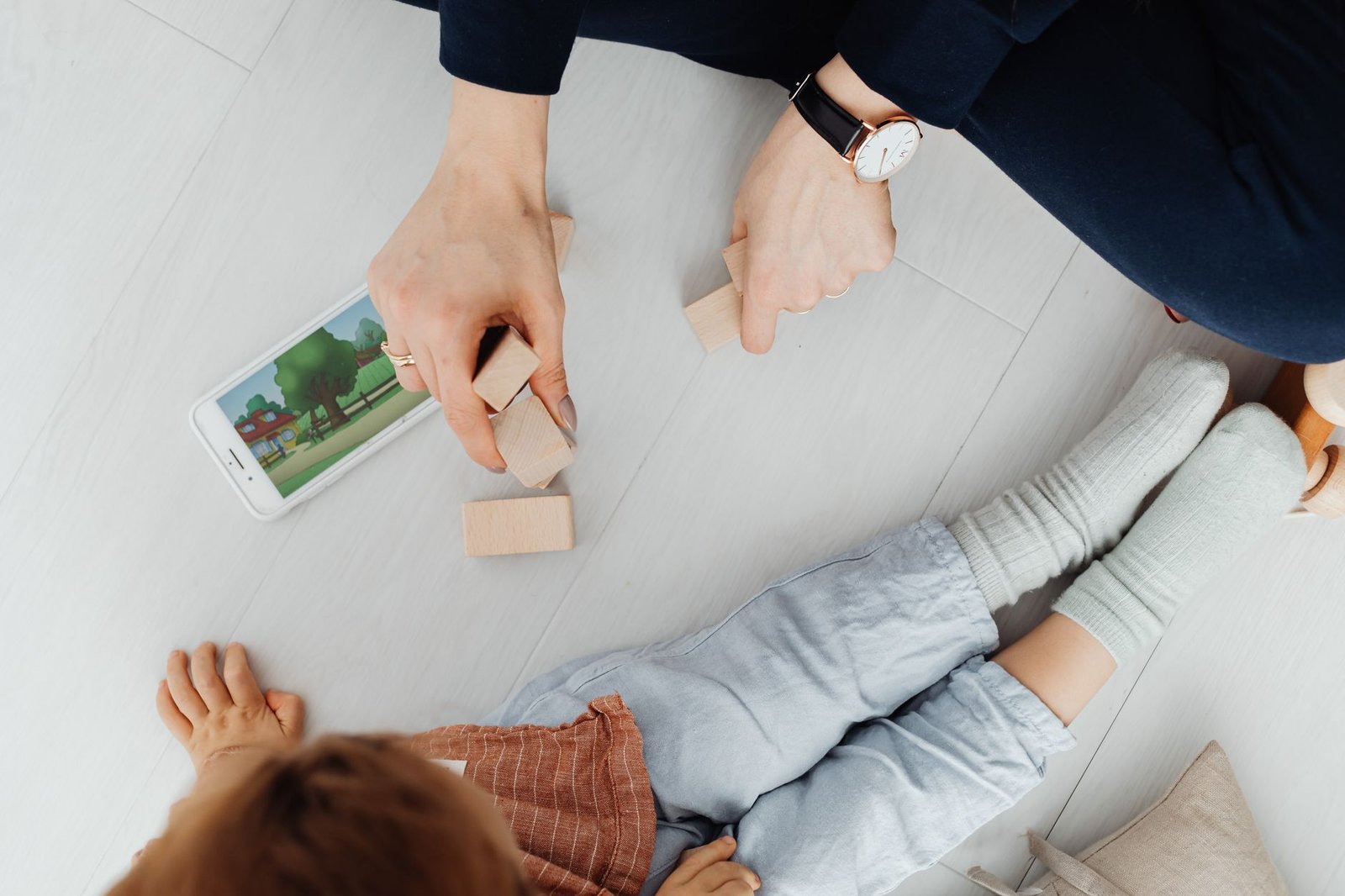
Building activities extend beyond crafts. Construction sets, magnetic tiles, or even playing cards for house-building challenge spatial reasoning and patience. Unlike following step-by-step instructions with an adult, independent building allows children to experiment, fail, adjust, and try again. This trial-and-error process teaches resilience more effectively than any lecture. When a tower falls or a design doesn't work as planned, kids learn to analyze what went wrong and approach the problem differently.
Puzzles, Games, and Brain Teasers
Puzzles offer the perfect blend of challenge and calm for rainy day solitude. Jigsaw puzzles develop spatial awareness and pattern recognition, while the repetitive nature of sorting and placing pieces has a meditative quality. Children can work at their own pace, taking breaks and returning without losing progress. Age-appropriate difficulty matters here - too easy and they lose interest, too hard and frustration sets in. A good rule is choosing puzzles with about twice as many pieces as what they completed last time.
Solo card games teach children to follow rules and think strategically. Simple games like solitaire or matching games can be played independently once kids understand the rules. Older children might enjoy strategy games that can be played alone, or they might invent their own games with a standard deck of cards. Logic puzzles, mazes, and brain teasers in activity books provide screen-free mental stimulation that sharpens critical thinking.
Word searches, crosswords adapted for children, and sudoku variations offer quiet challenges that build vocabulary and number sense. These activities work especially well for children who find open-ended creative tasks overwhelming. The clear goal and structured format provide security while still engaging their minds. Parents can keep a supply of activity books on hand specifically for rainy days, rotating them to maintain novelty.
Imaginary Play and Physical Activities
Pretend play doesn't require an audience to be meaningful. Children naturally create elaborate scenarios with dolls, action figures, or stuffed animals. These imaginary worlds allow them to process emotions, practice social situations, and explore different roles safely. A child might set up a school for stuffed animals, complete with lessons and lunchtime. Another might create a veterinary clinic or a restaurant. The beauty of solo dramatic play is that children control every aspect, making rules, changing stories, and resolving conflicts on their terms.
Building a blanket fort combines construction with imaginative play. Once the fort is complete, it becomes a reading nook, a spaceship, a secret hideout, or whatever the child imagines. The building process itself engages problem-solving as kids figure out how to drape blankets, anchor them with cushions, and create enough space inside. Forts also provide a sense of ownership and private space, which can be particularly valuable in busy households.
Even quiet physical activities can happen indoors independently. Yoga for kids, available through many books and resources, teaches body awareness and provides gentle movement. Dance doesn't require an instructor or audience - children can choreograph routines to their favorite music, practicing moves and creating sequences. Stretching exercises, balance challenges, or following along with age-appropriate exercise routines give active kids a physical outlet without running wild through the house.
Summary
- Reading nooks and story creation activities build literacy skills and imagination while giving children quiet solo time
- Arts and crafts using household items encourage resourcefulness and allow kids to create tangible results from their own ideas
- Building projects with blocks, cards, or recyclables develop spatial reasoning and teach resilience through trial and error
- Puzzles and brain teasers provide structured challenges that develop critical thinking without requiring supervision
- Imaginary play with toys or in blanket forts helps children process emotions and practice social skills independently
- Gentle physical activities like dance or yoga offer active kids movement opportunities that work in limited indoor spaces
- Independent activities build confidence and self-direction skills that benefit children far beyond rainy afternoons
Final Thought
The value of children learning to entertain themselves extends far beyond keeping them busy during bad weather. When kids discover they can create, build, solve problems, and enjoy their own company, they develop a foundation of independence that serves them throughout life. These quiet activities aren't just time-fillers - they're opportunities for children to explore their interests, develop skills, and learn that boredom can be the starting point for creativity rather than something to be immediately fixed by adults.
Rainy days actually offer something valuable that scheduled activities and constant stimulation cannot: unstructured time. In that space, children learn to listen to their own thoughts, make choices based on genuine interest rather than external expectations, and discover what truly engages them. The next time rain cancels outdoor plans, consider it less as a disruption and more as a gift. With a few simple materials and the freedom to explore independently, children often surprise us with what they create, build, and imagine when we step back and let them lead.
Questions?
What age can children start doing activities independently on rainy days?
Most children can handle simple independent activities around age four or five, though this varies by child. Start with short periods of 15-20 minutes with activities like coloring or looking at books. Gradually increase the complexity and duration as they show readiness. Toddlers need more supervision but can practice independent play for brief stretches with safe toys in a childproofed space. By age seven or eight, many children can sustain independent activities for an hour or more with occasional check-ins.
How do I encourage my child to play alone without screens?
Start by setting up inviting activity stations before announcing screen-free time. Present options without overwhelming them with too many choices. Model independent quiet time by reading or doing your own activity nearby. Avoid immediately solving boredom complaints - give children space to work through that uncomfortable feeling and discover their own solutions. Praise their independence and creativity when they do engage in solo activities. Consistency matters more than perfection, so establish regular screen-free periods rather than making it a punishment.
What supplies should I keep on hand for rainy day activities?
Build a basic supply kit with paper, cardboard, tape, glue, scissors, crayons, markers, and colored pencils. Add age-appropriate puzzles, books, and building materials. Keep a collection box for recyclables like boxes, tubes, and clean containers that can become craft materials. Activity books, blank journals, and story prompts provide structure when needed. Rotate materials seasonally to maintain interest, storing some items away and bringing them back months later so they feel fresh again.
My child says they're bored with everything I suggest. What should I do?
Boredom is not an emergency requiring immediate adult intervention. When children complain about boredom, acknowledge the feeling without rushing to fix it. You might say something like "I hear you're feeling bored. I trust you'll figure out something to do." Resist the urge to suggest activities or entertain them. Given time and space, most children will eventually find something to engage with. This teaches them that they are responsible for their own engagement and builds creative problem-solving. If genuine interest has waned from specific activities, rotate your materials or introduce one new element rather than overhauling everything.