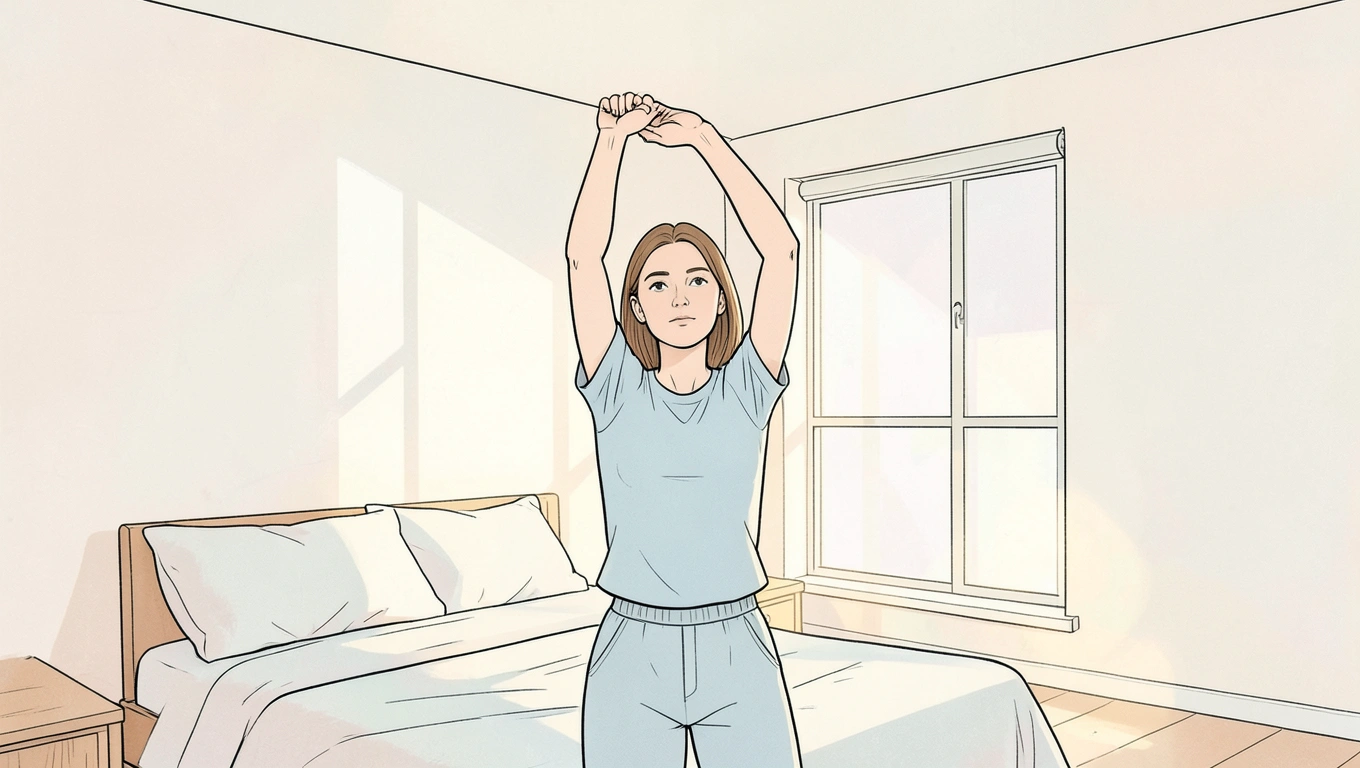
Your lower back wasn't designed to stay folded in a chair for eight hours straight. Yet here we are, spending more time sitting than ever before, wondering why that dull ache creeps in before lunch. The truth is, sitting itself isn't the villain - it's the relentless, motionless marathon of it that wears your spine down. The good news? You don't need a standing desk revolution or a complete office overhaul. Small, deliberate tweaks to how you sit, move, and support your body can make a genuine difference in how your back feels by the end of the day.
Why Sitting Presses Harder on Your Spine
When you stand, your spine distributes weight fairly evenly through its natural curves. But the moment you sit, especially if you slump forward or round your shoulders, the pressure on your lower back discs jumps significantly. According to research on back pain prevention, sitting with poor posture places higher pressure on the discs in your lower spine compared to standing.
Think of your lumbar discs as small, gel-filled cushions stacked between vertebrae. When you sit upright with proper support, they compress evenly. Slouch forward, and suddenly all that pressure shifts to the front edge of each disc. Do that for hours, day after day, and those discs start to protest. The surrounding muscles tighten up trying to compensate, and before long, you're dealing with stiffness that follows you home.
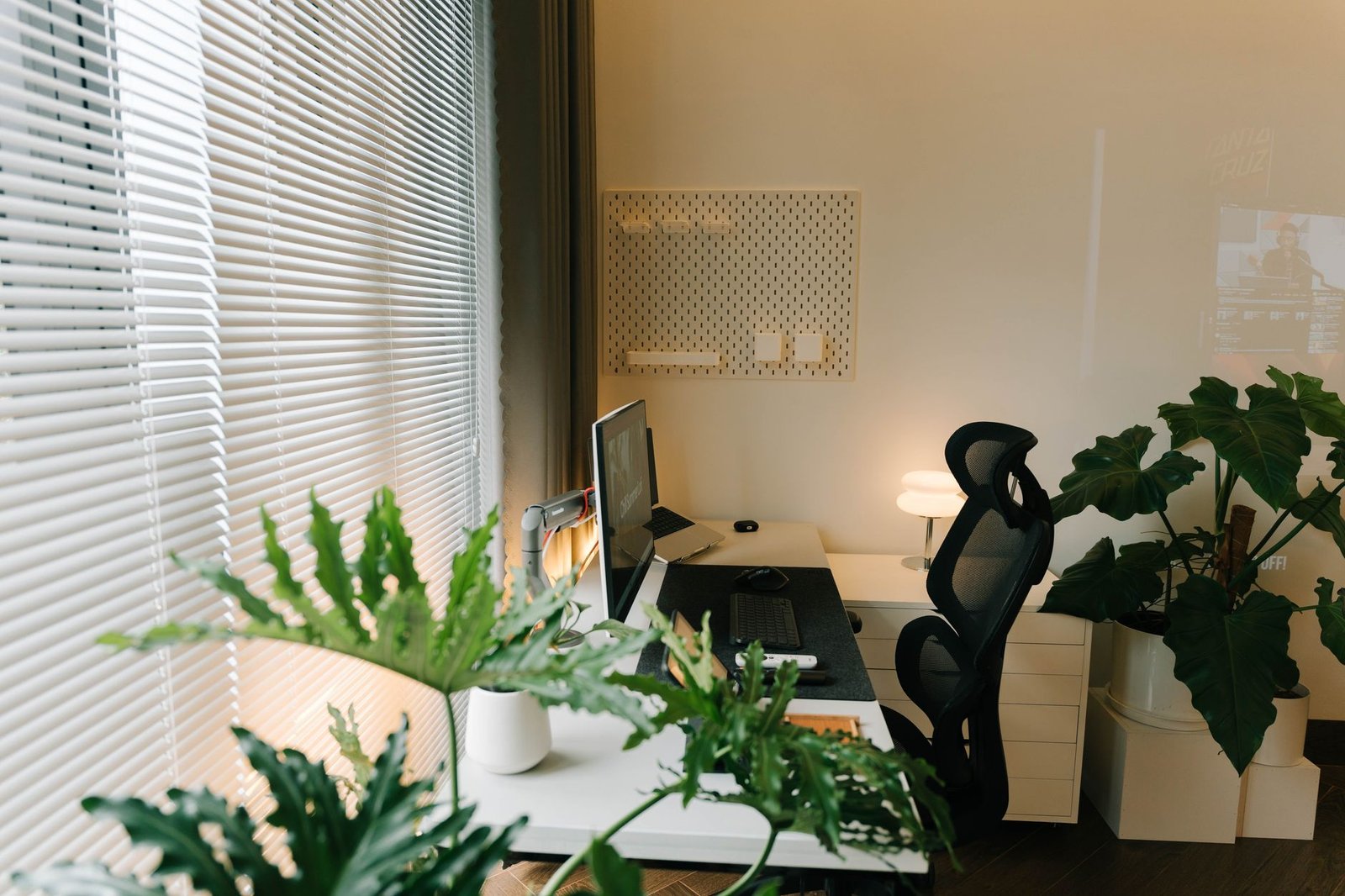
But here's what matters more than the sitting itself: staying frozen in one position. Your back craves movement. Whether you're sitting or standing, holding the same posture for too long starves your muscles and discs of the small shifts they need to stay healthy. That's why the first fix isn't about eliminating sitting - it's about breaking up the stillness.
The 30-Minute Reset That Actually Works
You've probably heard "take breaks" so many times it sounds like empty advice. But the specific timing matters. Taking short breaks to stand up and walk around every 30 to 60 minutes can reduce stress on your spine and alleviate discomfort. Not a full workout, not even a proper walk - just standing, stretching, or moving to the printer counts.
Set a timer if you need to. When it goes off, stand up and do something simple. Walk to refill your water bottle. Do three slow neck rolls. March in place for 20 seconds. The movement doesn't have to be impressive; it just has to happen. What you're really doing is giving your discs a chance to rehydrate, your muscles permission to lengthen, and your pelvis an opportunity to realign.
Some people worry this will wreck their focus. In reality, these micro-breaks often sharpen concentration because you're not spending mental energy trying to ignore your aching back. Your body stops sending distress signals, so your brain can actually focus on the work. And if you work in an environment where leaving your desk every 30 minutes feels awkward, try seated movement instead. Gentle twists, shoulder shrugs, or even shifting your weight from one hip to the other keeps things flowing without you needing to stand.
Chair Setup That Supports Your Lumbar Curve
Your chair might be working against you, even if it looks ergonomic. The key detail most people miss is hip height. Adjusting your chair height so your hips are slightly above knee level and your feet are flat on the floor helps maintain your lumbar curve and prevents your pelvis from rolling backward. That slight upward tilt of your pelvis keeps your lower back in its natural, healthy arch instead of slumping into a C-shape.
Check your setup right now. Are your knees higher than your hips? That's forcing your pelvis to tuck under, flattening your lumbar curve and loading up those discs we talked about earlier. Lower your chair or add a footrest to bring your knees down. If your feet dangle, you'll unconsciously tense your legs and throw off your whole posture chain. A simple footrest or even a sturdy box can fix this instantly.
Next, look at your lower back support. Many chairs have adjustable lumbar support that nobody ever adjusts. That little knob or lever isn't just decoration. Move it up or down until you feel gentle pressure right at the small of your back, roughly at belt level. If your chair doesn't have built-in support, a small cushion or rolled towel wedged behind your lower back does the same job. You want just enough support to maintain that natural inward curve without feeling pushed forward.
And here's something nobody tells you: your armrests matter too. If they're too high, you'll hike your shoulders up all day, creating tension that radiates down to your lower back. If they're too low or missing entirely, your shoulders sag forward, pulling your whole spine out of alignment. Adjust them so your elbows rest comfortably at your sides with your shoulders relaxed, not hunched or drooping.
Building the Core Strength Your Back Needs
Your lower back doesn't exist in isolation. It relies heavily on the muscles around it, especially your core and glutes. When these muscles are strong and engaged, they share the load of keeping you upright. When they're weak or switched off, your spine does all the work alone. Strengthening your core muscles, including abdominal and glute muscles, provides better support for your spine and helps maintain proper posture throughout long sitting sessions.
You don't need an hour at the gym. Simple exercises done consistently matter more than occasional heroic efforts. Planks, bird dogs, and bridges are all effective movements you can do at home in under ten minutes. Even incorporating small bursts of core engagement during your workday helps. Try gently drawing your belly button toward your spine while you sit - not sucking in hard, just a light activation. Hold it for a few breaths, then release. Do this a handful of times throughout the day, and you're training your core to support you without thinking about it.
Your glutes deserve special attention because sitting actually weakens them over time. When you sit for hours, your hip flexors tighten while your glutes essentially fall asleep. This imbalance tilts your pelvis forward and strains your lower back. Simple glute bridges before or after work help wake these muscles back up. Lie on your back, knees bent, feet flat, and lift your hips toward the ceiling. Squeeze at the top, lower slowly, repeat ten times. That's it. Do this regularly, and your lower back will thank you because it finally has backup.
Summary
- Sitting with poor posture places more pressure on lower back discs than standing does
- Breaking up stillness every 30 to 60 minutes reduces spinal stress more than perfect posture held all day
- Setting chair height so hips sit slightly above knees maintains the natural lumbar curve
- Lumbar support at belt level prevents your pelvis from rolling backward into a slouch
- Strong core and glute muscles share the work of keeping your spine supported during long sits
- Small movements and adjustments throughout the day matter more than occasional big fixes
- Feet flat on the floor prevents leg tension that throws off your entire postural chain
Final Thought
The reality of modern work means most of us will spend significant time sitting, whether we like it or not. Fighting that fact doesn't help. What does help is recognizing that your body is adaptable and responds to the small things you do consistently. You don't need to become an ergonomics expert or invest in expensive equipment. You just need to interrupt the patterns that cause pain.
Your lower back isn't asking for perfection. It's asking for variety, for movement, for a bit of support in the right places. The chair adjustment you make today, the 30-second walk you take in an hour, the core strength you build over weeks - these aren't dramatic interventions, but they're the ones that actually stick. Pain often teaches us to pay attention to our bodies, and that attention, applied through small daily choices, is how you shift from managing discomfort to preventing it in the first place.
Questions?
How often should I really get up from my desk to help my lower back?
Every 30 to 60 minutes is the sweet spot backed by research. You don't need long breaks - even standing for 30 seconds or walking a few steps helps. The key is consistency, not duration. Set a timer if needed until it becomes habit, and remember that even shifting your weight or doing seated stretches counts as movement that benefits your spine.
Can a standing desk completely solve lower back pain from sitting?
Not entirely. Standing all day creates its own issues and can actually strain your lower back differently. The real solution is variation - alternating between sitting and standing throughout the day, combined with movement breaks. If you use a standing desk, you still need to shift positions, walk around periodically, and maintain good posture. No single position, even standing, should be held for hours without change.
What's the quickest fix if my lower back hurts right now while sitting?
Stand up and walk for 30 seconds to a minute, then check your chair height and lumbar support when you sit back down. Make sure your feet are flat on the floor and your hips are slightly higher than your knees. Place a small cushion or rolled towel behind your lower back if needed. These adjustments provide immediate relief by taking pressure off your discs and supporting your spine's natural curve.
Do I need expensive ergonomic equipment to protect my lower back?
No. While good equipment can help, the fundamentals matter more. A basic adjustable chair set to the right height, a footrest if needed (even a cardboard box works), and a rolled towel for lumbar support will handle most issues. Focus first on proper setup, regular movement breaks, and core strengthening. These cost nothing and deliver more benefit than expensive gear used incorrectly.