
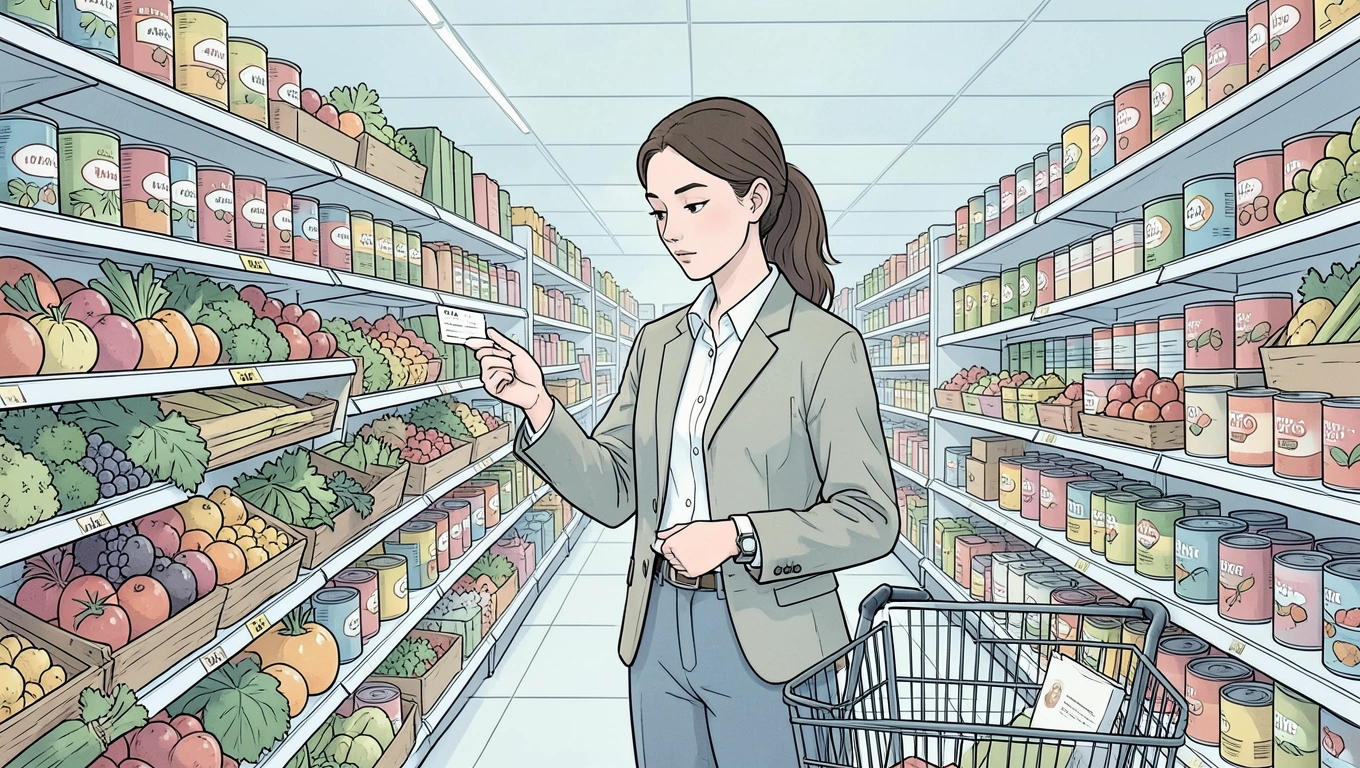
Grocery bills have a way of creeping up, don't they? One week you're spending what feels reasonable, and the next you're staring at a receipt that makes you wonder if you accidentally bought the entire store. The good news is you don't need to become a coupon-clipping champion to make a real dent in what you're spending. There are plenty of practical, low-effort strategies that can trim your grocery costs without adding hours to your weekly routine. Let's look at some simple shifts that actually work.
Plan Before You Step Through the Door
Walking into a grocery store without a plan is like going into battle without armor. You're vulnerable to every display, every sale sign, and every last-minute "maybe I need this" thought. The truth is, planning your meals before you shop and making a detailed grocery list creates a protective barrier against impulse purchases that can quietly double your bill.
Think about what you'll actually cook this week. Not what sounds appealing in theory, but what you'll realistically prepare given your schedule. Maybe you have three busy evenings and need quick meals. Maybe you're working from home and can manage something more involved. Write it down. Then build your shopping list around those specific meals, checking your pantry first so you're not buying duplicate items.

This approach does more than prevent random purchases. It dramatically reduces food waste because you're buying with purpose. That head of lettuce isn't going to wilt in your crisper drawer because you actually have a plan for it. The chicken breasts will get used because you've already decided they're going into Tuesday's stir-fry. When you eliminate waste, you're essentially getting more value from every dollar spent.
Another benefit? You'll shop faster. No wandering the aisles wondering what to make. No standing in front of the meat case trying to decide what sounds good. You get in, get what you need, and get out. Less time in the store means fewer opportunities for your cart to fill with things you didn't come for.
Shop with a Full Stomach
This sounds almost too simple to matter, but the research backs it up, and so does experience. Shopping when you're hungry changes everything about how you make decisions. Suddenly that bag of chips looks essential. The bakery section becomes irresistible. The frozen pizza aisle starts whispering your name.
Your brain is working against you when you're hungry. It's prioritizing immediate satisfaction over rational decision-making. Foods that might not appeal to you on a full stomach suddenly seem like absolute necessities. And here's the thing - those hunger-driven purchases rarely align with your meal plan or your budget.
Make it a rule: eat before you shop. Even if it's just a snack, something to take the edge off. You'll find yourself making clearer choices, sticking to your list more easily, and walking past displays that would have tempted you on an empty stomach. The difference in your total bill can be significant, especially if you shop weekly.
If you absolutely must shop when you're hungry, be extra vigilant about your list. Keep it in your hand, check items off as you go, and actively resist the urge to add extras. Think of it as a challenge - can you get through the store with only what you planned? Most of the time, the answer is yes, and you'll feel good about the money you didn't spend on impulse items.
Compare Unit Prices Like Your Budget Depends on It
Those small tags on grocery store shelves contain powerful information that most people ignore completely. Right below the total price, you'll usually see a unit price - the cost per ounce, per pound, or per count. This number tells you the real story about value, and it doesn't always match what you'd expect.
Sometimes the bigger package is actually more expensive per unit. Sometimes the medium size offers the best value. Sometimes the name brand on sale beats the generic. You won't know unless you check. It takes an extra few seconds per item, but those seconds add up to real savings over a year of shopping.
Generic and store-brand products deserve special attention here. The quality gap between store brands and national brands has narrowed dramatically in recent years. For many items - especially pantry staples like flour, sugar, canned goods, and pasta - you're getting essentially the same product in different packaging. The store brand version often costs 20 to 40 percent less, and if you can't taste the difference in your finished dish, why pay more?
There are exceptions, of course. Some products have noticeable quality differences. Maybe your family truly prefers a specific brand of peanut butter or ketchup. That's fine. But challenge yourself to try store brands for items where the difference might not matter. Start with baking supplies, spices, or canned vegetables. You might be surprised at how many you can't distinguish from the name brand in a blind taste test.
Limit Your Shopping Trips
Every time you walk into a grocery store, you create an opportunity to spend more than you planned. Maybe you grab a drink while you're there. Maybe you remember something you forgot last time. Maybe a display catches your eye. These little additions multiply quickly when you're stopping by the store three or four times a week.
Consolidating your grocery shopping into one main trip per week cuts down on these incidental purchases. Yes, you might need to plan more carefully. Yes, you might occasionally run out of something and have to make do. But the trade-off is worth it for most households. Fewer trips mean fewer chances for your budget to spring leaks.
If you do need to make a mid-week stop for milk or bread, treat it like a military operation. List in hand, specific items only, in and out. Don't browse. Don't check out what's on sale. Get what you came for and leave. The store is designed to encourage browsing, but you don't have to play along.
This strategy also saves time and gas money, which are both valuable resources. When you add up the minutes spent on multiple shopping trips plus the fuel costs, shopping less frequently becomes even more appealing. Your routine becomes simpler, your budget becomes more predictable, and you spend less energy thinking about groceries throughout the week.
Summary
- Planning meals and creating detailed shopping lists prevents impulse purchases and reduces food waste
- Shopping on a full stomach helps you make rational decisions and avoid unnecessary items
- Checking unit prices reveals true value and helps identify when bulk or store brands offer better deals
- Choosing generic products for pantry staples can cut costs by 20 to 40 percent without sacrificing quality
- Limiting grocery trips to once weekly reduces opportunities for incidental spending
- Sticking to your list during unavoidable mid-week trips protects your budget from small leaks that add up
- Combining these strategies creates compound savings without requiring coupon management
Final Thought
Cutting your grocery bill doesn't require extreme couponing or spending hours hunting for deals. The most effective strategies are the ones you can actually sustain week after week without burning out. When you plan ahead, shop intentionally, and pay attention to actual value rather than flashy packaging, you naturally spend less without feeling deprived.
The best part about these approaches is that they become habits. After a few weeks of meal planning, it stops feeling like extra work and just becomes what you do. After you start checking unit prices, you can't unsee them. These small shifts compound over time, saving you hundreds or even thousands of dollars annually that you can redirect toward things that matter more to you.
Start with one or two of these strategies. Maybe this week you'll focus on planning meals and making a solid list. Next week, you might add in the unit price comparison. Build gradually, and remember that progress beats perfection. Every dollar you keep in your pocket is a win, and you don't need a coupon binder to make it happen.
Questions?
How much can I realistically save by switching to store brands?
Most store-brand products cost 20 to 40 percent less than name brands, which can translate to significant savings over time. If you spend $150 weekly on groceries and switch even half of your purchases to store brands, you might save $15 to $30 per week, or roughly $780 to $1,560 annually. The actual amount depends on what you buy and which items you're willing to switch.
What if I can't plan meals a full week in advance?
Start smaller. Plan three days at a time, or even just plan dinners and keep breakfast and lunch flexible with pantry staples. The goal isn't perfection but reducing the number of unplanned decisions you make in the store. Even partial planning creates savings because it gives you structure and reduces the "I don't know what to make so I'll buy everything" problem.
Are bulk packages always the better deal?
Not always, which is why checking unit prices matters. Sometimes manufacturers price the medium size to offer the best per-unit value, knowing many people assume bigger is always cheaper. Also consider whether you'll actually use the larger quantity before it spoils. A great deal becomes waste if half of it ends up in the trash.
How do I resist temptation when stores put sale items in my path?
Remember that something on sale is only a good deal if you actually need it and would have bought it anyway. If it's not on your list, ask yourself: would I drive back to the store specifically to buy this item? If the answer is no, it's probably not worth disrupting your budget for. Sales will always exist, and there will always be another deal next week.