
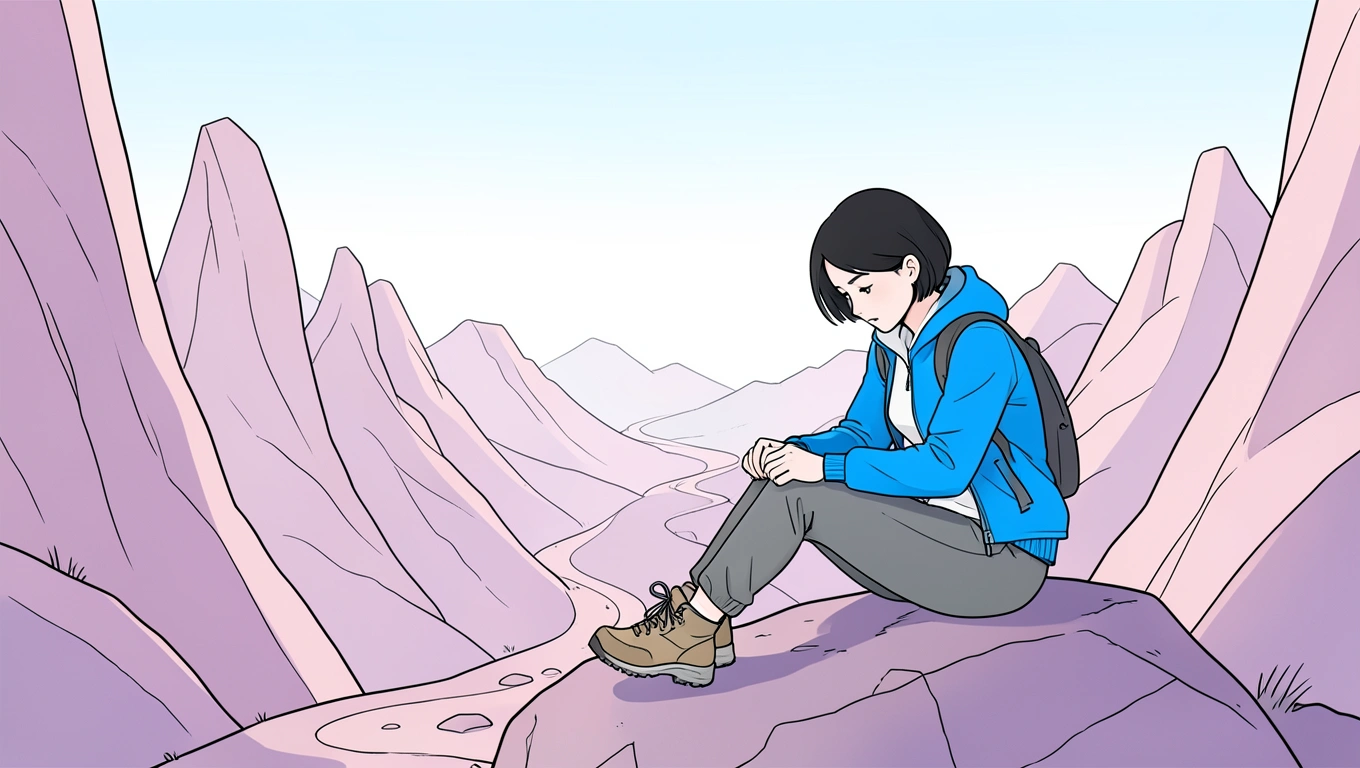
Choosing your first pair of hiking boots feels like a bigger decision than it should be. You walk into a store or scroll through an online catalog, and suddenly you're staring at dozens of options with features you've never heard of and price tags that range from surprisingly cheap to eye-wateringly expensive. Before you know it, you're second-guessing everything and wondering if you really need that ankle support or whether waterproofing is worth the extra cost.
The truth is, buying hiking boots as a beginner doesn't have to be complicated. While the outdoor industry loves to throw technical terms and advanced features at you, what matters most is finding boots that feel good on your feet and match the kind of hiking you'll actually do. Get those two things right, and you're already ahead of most first-time buyers who either overthink the decision or grab whatever looks cool without considering fit.
Let's walk through what you genuinely need to know before spending your money.
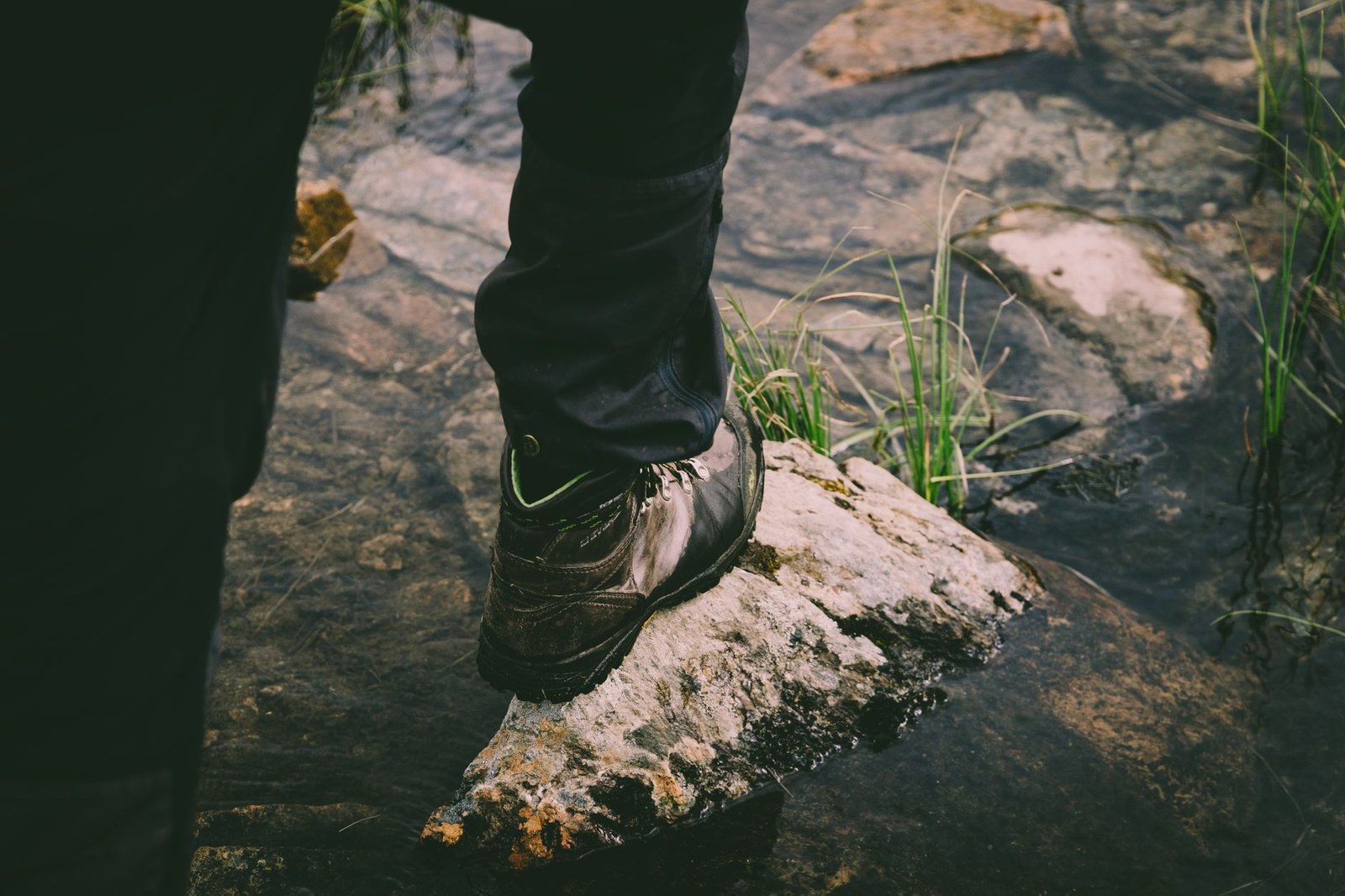
Comfort Beats Everything Else
If you take away one thing from this article, make it this: comfort is the single most important factor when choosing hiking boots. Not the brand name, not the price tag, not the fancy technology built into the sole. If your boots don't feel good during the first few minutes of trying them on, they won't magically feel better after ten miles on a rocky trail.
This might sound obvious, but it's easy to ignore comfort when you're focused on getting the "right" technical features or staying within budget. You'll convince yourself that stiff boots just need breaking in, or that a slightly tight fit will loosen up over time. Sometimes that happens, but more often you end up with blisters, sore feet, and a growing hatred for hiking.
REI's expert guidance confirms that personal comfort should override any other consideration when selecting boots. What feels perfect for someone else might feel terrible for you because everyone's feet are shaped differently. Your friend might swear by a particular brand, but that doesn't mean those boots will work for your foot shape, arch height, or walking style.
When you try on boots, pay attention to any pressure points, rubbing spots, or areas that feel even slightly uncomfortable. Don't dismiss these as minor issues that will sort themselves out. Trust what your feet are telling you right from the start.
Getting The Fit Right From Day One
Fit makes or breaks your hiking experience, and getting it right requires more than just knowing your shoe size. Your hiking boots should typically be a half-size or even a full-size larger than your everyday shoes. This extra room isn't a mistake or a sign of poor quality - it's intentional space that prevents your toes from jamming into the front of the boot when you're walking downhill.
A proper fit means your boots feel snug around your midfoot and heel without being tight. You should be able to wiggle your toes freely, and when you kick your heel back, there should be minimal lift. If your heel is sliding up and down significantly with each step, those boots are too big or not laced correctly. That movement creates friction, and friction creates blisters faster than anything else.
Here's a tip that makes a real difference: try on boots toward the end of the day when your feet are slightly swollen. Your feet expand during the day and especially during long hikes, so boots that feel perfect at 9 a.m. might feel uncomfortably tight by afternoon. Wear the same type of socks you plan to hike in when you're trying on boots. Thin dress socks will give you a completely different fit than thick hiking socks, and you need to test the combination you'll actually use on the trail.
Walk around the store for at least ten minutes if possible. Find a ramp or stairs to test how your feet feel going both uphill and downhill. Your toes should not touch the front of the boot when you're walking downhill - that's a clear sign you need more room in the toe box.
Match Your Boots To Your Hiking Plans
Not all hiking boots are created equal, and as a beginner, you don't need the most technical, rigid, heavy-duty boots on the market. Those boots are designed for serious mountaineering, carrying heavy backpacks over multiple days, or tackling extremely rough terrain. For most beginners who are planning day hikes on established trails, lightweight boots or even hiking shoes make much more sense.
Overly stiff boots restrict your natural foot movement and can actually make easy hikes more tiring because you're working against the boot with every step. They also take longer to break in and cost significantly more. Unless you have specific plans to tackle challenging multi-day treks or off-trail scrambling, save your money and your feet by starting with something lighter and more flexible.
Think about where you'll actually be hiking. Local park trails with good maintenance? Forest paths with some rocks and roots? Gentle mountain trails with moderate elevation? For most of these scenarios, lightweight boots suitable for day hikes provide plenty of support and protection without the drawbacks of heavier options.
You can always upgrade later if you discover you love hiking and want to tackle more challenging terrain. Starting with appropriate boots for your actual skill level and hiking style makes more sense than buying expensive technical gear you might not need for years, if ever.
Beyond The Basics: What Features Actually Matter
Once you've prioritized comfort and fit, a few other features deserve attention. Waterproofing sounds appealing, but it's a trade-off. Waterproof boots keep rain and stream crossings from soaking your feet, but they also trap moisture from sweat. If you hike in hot weather or tend to have sweaty feet, non-waterproof boots that breathe better might be more comfortable despite occasionally getting wet from outside sources.
Ankle support is another feature worth considering based on your situation. High-top boots that cover your ankles provide more stability and protection, which helps if you're hiking on uneven terrain or carrying a backpack. But for well-maintained trails and lighter loads, mid-height or low-cut boots often provide enough support while giving you more freedom of movement.
The sole's grip matters more than you might think. Look for boots with deep lugs (the raised rubber patterns on the bottom) that can handle both dirt and rock. You don't need to become an expert on rubber compounds, but avoid boots with smooth, shallow treads that will slip on anything but perfectly dry pavement.
Break-in time varies depending on the boot construction. Leather boots typically require more breaking in than synthetic materials, but they also tend to last longer and conform to your foot shape over time. For beginners, synthetic or combination boots often provide a good balance of comfort, durability, and shorter break-in periods.
Summary
- Comfort is the most critical factor - if boots don't feel good immediately, they won't magically improve on the trail
- Size up: hiking boots should be a half-size or full-size larger than your everyday shoes to prevent toe jamming on descents
- Try boots on late in the day with hiking socks to account for foot swelling and get an accurate fit
- Beginners should start with lightweight boots designed for day hikes rather than technical mountaineering boots
- Proper fit means snug midfoot and heel, wiggling room for toes, and minimal heel lift when walking
- Test boots for at least ten minutes in-store, including uphill and downhill walking if possible
- Match boot weight and stiffness to your actual hiking plans, not to aspirational future adventures
Final Thought
The outdoor industry wants you to believe that buying hiking boots requires deep technical knowledge and a substantial budget. The reality is simpler. Focus on comfort and fit first, make sure the boots match the type of hiking you'll actually do, and don't get distracted by features you don't need yet.
Your first pair of hiking boots is a learning experience. You might discover that you prefer more ankle support than you thought, or that you don't need waterproofing as much as breathability. You'll figure out whether you like stiffer soles or more flexibility. That's all normal, and it's why starting with appropriately simple boots makes sense.
The best hiking boots for you are the ones that let you enjoy being outside without thinking about your feet. When your boots fit well and match your hiking style, they become an invisible part of the experience rather than a source of constant awareness and discomfort. That's when hiking becomes genuinely enjoyable rather than an exercise in pain tolerance.
Visit a store with knowledgeable staff if you can, try on multiple pairs, and don't rush the decision. Take your time, trust your feet over marketing claims, and remember that the perfect boots for someone else might be completely wrong for you. Your feet will thank you for the patience.
Questions?
Should I buy expensive hiking boots as a beginner?
Not necessarily. While quality matters, expensive boots often include features designed for advanced hikers tackling challenging terrain. As a beginner, mid-range boots that fit well and match your planned activities will serve you better than top-tier boots that might be overkill for easy trails. Focus on fit and comfort rather than price as an indicator of what's best for you.
How long should hiking boots last?
With proper care, quality hiking boots typically last between 500 and 1,000 miles of use, though this varies based on terrain, hiking frequency, and boot construction. Beginners hiking occasionally on easy trails might get several years from their first pair, while frequent hikers on rough terrain will wear through boots faster. Replace boots when the tread wears smooth, the waterproofing fails permanently, or the support breaks down.
Can I hike in running shoes instead of boots?
For easy, well-maintained trails with light loads, trail running shoes work fine for many hikers. They're lighter and more breathable than boots but offer less ankle support and protection from rocks and roots. If you're planning short day hikes on good trails and don't have ankle stability concerns, trail runners are a legitimate option. For rougher terrain or carrying weight, boots provide better support and protection.
How tight should I lace my hiking boots?
Lace your boots snugly around the midfoot and ankle for support, but not so tight that you restrict blood flow or create pressure points. Your toes should have room to move freely, so keep the toe box area looser. When walking downhill, you might want to tighten the laces slightly to prevent your foot from sliding forward. Experiment with lacing tension on different terrain to find what works best for your feet.