
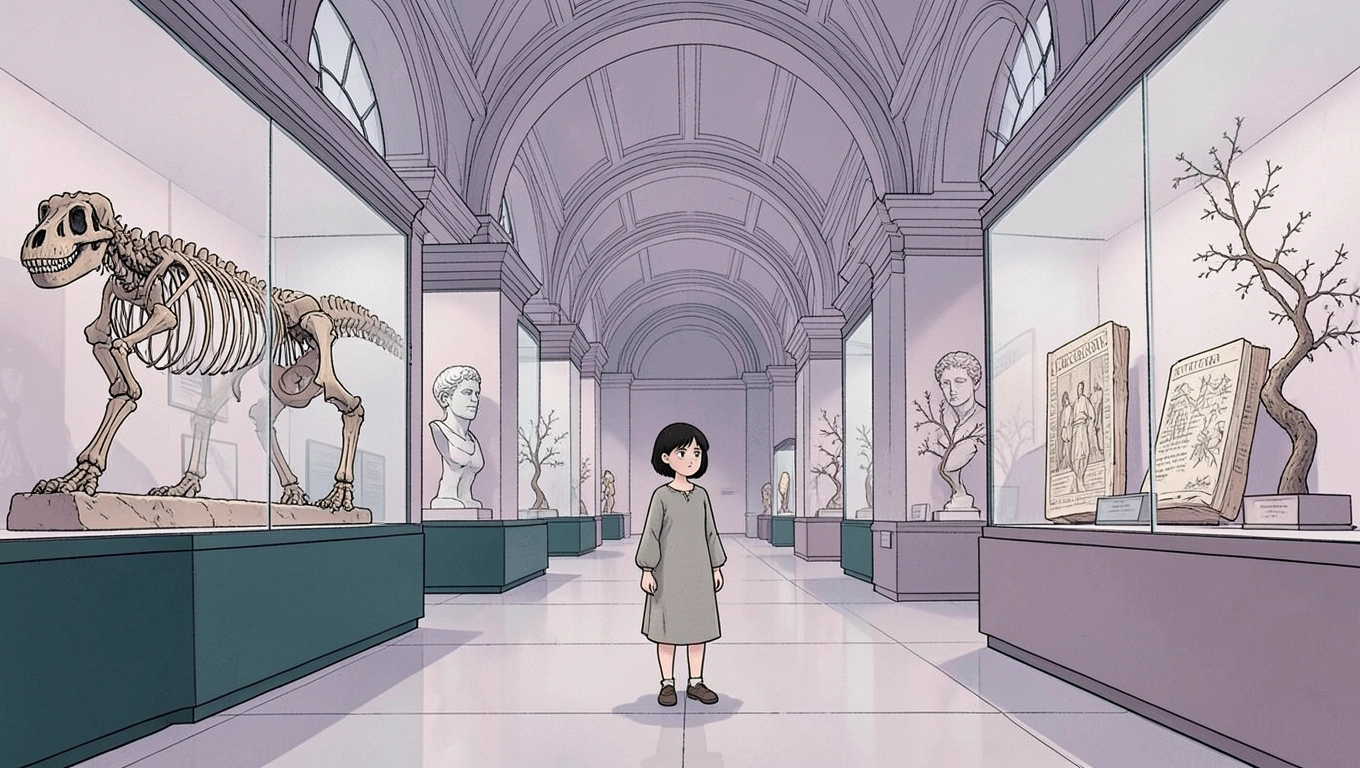
Walk through the grand halls of the British Museum, the Louvre, or the Metropolitan Museum of Art, and you're experiencing something extraordinary. These institutions house treasures that millions visit each year, but few people realize that much of what we see today started in someone's private home. The story of how personal obsessions became public treasures reveals a fascinating pattern: many of the world's greatest museums began with individual collectors who amassed objects not for profit, but for passion. Their willingness to share these collections transformed how we understand art, culture, and history.
When Personal Passion Becomes Public Legacy
The transformation from private collection to public museum rarely happens overnight. It usually begins with someone who cannot stop acquiring objects. Sir Hans Sloane, an 18th-century physician, spent his lifetime gathering what would become over 71,000 items including natural specimens, cultural artifacts, coins, medals, books, prints, and manuscripts. When he died in 1753, he bequeathed his entire collection to the British nation for £20,000, far below its actual value.
That single act of generosity led Parliament to establish the British Museum in 1753, creating the world's first national public museum. Sloane's motivation wasn't fame or fortune. He wanted his collection preserved intact and made available for scholars and curious minds. The concept was revolutionary. Museums before this were private cabinets of curiosities, accessible only to the wealthy and well-connected.
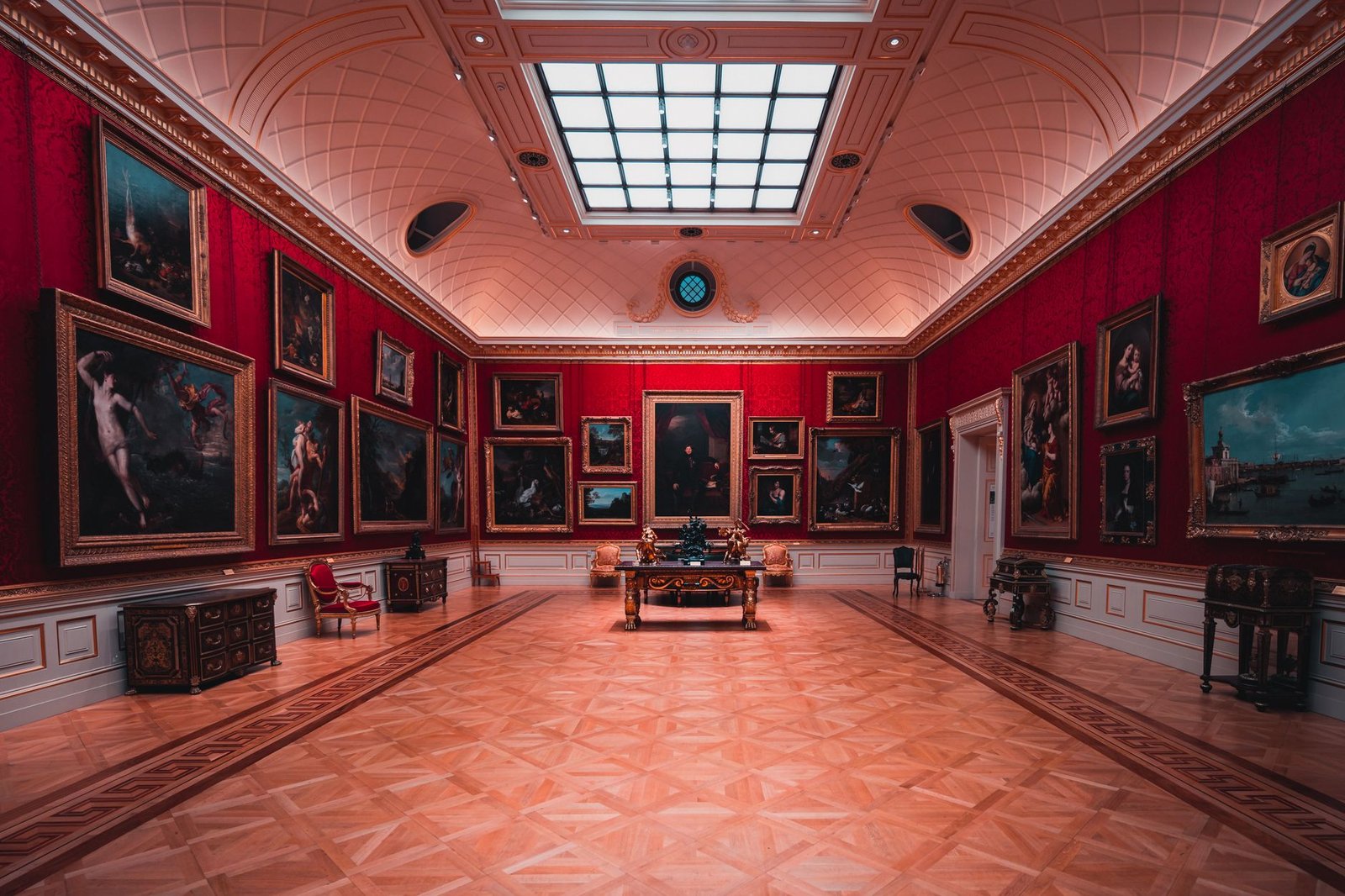
The French followed a different path. The Louvre's collections grew from the personal acquisitions of French monarchs, starting with Francis I who brought Leonardo da Vinci to France and collected Italian masterpieces. Louis XIV expanded the royal collection dramatically, driven by both personal taste and national pride. When the French Revolution swept through, these private royal treasures became public property. The revolutionaries opened the Louvre in 1793, declaring that art belonged to the people, not kings.
American Ambition and Civic Pride
America's great museums emerged from a different impulse. The Metropolitan Museum of Art, founded in 1870 by a group of American businessmen, financiers, artists, and thinkers, reflected a young nation's cultural ambitions. These founders wanted to bring art and art education to the American people, believing that exposure to great works would elevate society. They started with no collection at all, just determination.
What followed was extraordinary. Wealthy Americans who had made fortunes in railroads, steel, and banking began donating entire collections. J.P. Morgan gave thousands of artworks. Robert Lehman's collection became a wing unto itself. These weren't government initiatives. Private citizens built public institutions through their generosity.
The American Museum of Natural History followed a similar pattern. Created on April 6, 1869, with the mission to discover, interpret, and disseminate knowledge about human cultures, the natural world, and the universe, it depended on private collectors who funded expeditions and donated specimens. Theodore Roosevelt Sr., father of the future president, was a founding member. His son would later donate animal specimens from his own hunting expeditions.
These American museums reflected a uniquely American idea: that private wealth carried public responsibility. The industrialists who built them wanted to be remembered not just for making money, but for cultural contributions that would outlast them.
The Complex Motivations Behind Generosity
Why do collectors give away treasures worth millions? The motivations are rarely simple. Some seek immortality through association with great works. Isabella Stewart Gardner built her Boston museum to exact specifications, requiring that nothing ever be moved or sold. Her personality permeates every room, and visitors experience her taste directly, more than a century after her death.
Others collect to preserve endangered heritage. When colonial empires were collapsing and ancient sites being looted, some collectors genuinely believed they were rescuing artifacts for posterity. We can debate the ethics of that now, but many acted with sincere conviction that private preservation beat destruction or loss.
Tax benefits certainly play a role in modern donations. Governments encourage philanthropy through deductions, recognizing that private collections becoming public resources serves everyone. But that doesn't fully explain why someone like Peggy Guggenheim donated her entire Venice palazzo and its contents, choosing to convert her home into a permanent museum rather than sell pieces for profit.
Social status matters too. Associating your name with a major museum wing or collection brings prestige. But that prestige comes with strings. Once donated, these collections cannot be reclaimed, sold off, or hidden away. The donor accepts that the public, not family heirs, will benefit forever. That requires genuine commitment to something beyond personal gain.
The Modern Evolution of Private Museums
The pattern continues today, though it has evolved. Contemporary collectors increasingly create their own museums rather than donating to existing institutions. The Broad in Los Angeles, the Crystal Bridges Museum in Arkansas, and countless private museums worldwide reflect this shift. Collectors want direct control over how their collections are displayed and interpreted.
This raises questions. When a private individual builds and controls a museum, who decides what the public sees? How permanent is the commitment? Traditional museums have boards, endowments, and institutional structures that outlast any individual. Private museums depend on their founder's continued interest and financial support. Some thrive for generations. Others close when the money or motivation runs out.
Yet these new private museums often reach communities that established institutions ignore. Crystal Bridges brought world-class art to rural Arkansas, free of charge. The Broad made contemporary art accessible in ways Los Angeles's existing museums had not. Private collectors can take risks, display controversial work, and move quickly in ways that large institutional museums cannot.
The relationship between private collecting and public access keeps changing, but the basic dynamic persists. Individuals with resources and passion can assemble collections that serve purposes far beyond personal enjoyment. When they choose to share rather than hoard, everyone benefits.
Summary
- Sir Hans Sloane's 71,000-item collection formed the foundation of the British Museum, the world's first national public museum established in 1753.
- The Louvre's collections began as private royal treasures of French monarchs starting with Francis I, becoming public during the French Revolution.
- American museums like the Met and the American Museum of Natural History were built by private citizens who saw cultural institutions as civic responsibilities.
- Collector motivations range from seeking immortality and social status to genuine belief in preserving heritage for future generations.
- Modern collectors increasingly create independent private museums rather than donating to established institutions, offering both opportunities and challenges.
- Private museums can serve underrepresented communities and take creative risks that traditional institutions cannot.
- The transformation from private passion to public resource remains one of the most enduring patterns in cultural history.
Final Thought
The museums we visit today stand as monuments to a peculiar human impulse: the desire to gather, preserve, and ultimately share. It would be easy to be cynical about private collectors who donate with conditions, naming rights, and tax benefits attached. But the alternative is worse. Without these passionate individuals, countless artworks, specimens, and artifacts would have been lost, destroyed, or locked away in private hands forever.
The great city museums remind us that private ownership need not be permanent, and that personal obsession can serve collective good. When we admire a Renaissance painting or marvel at a dinosaur skeleton, we're benefiting from someone who cared enough to preserve it and generous enough to share it. That tradition of turning private treasures into public resources has shaped our cultural landscape in ways we often take for granted. As long as collectors keep making that choice, museums will continue to evolve, reflecting both individual vision and collective heritage.
Questions?
How did the British Museum become public?
The British Museum became public through Sir Hans Sloane's bequest in 1753. He left his collection of over 71,000 items to the British nation for £20,000, well below market value. Parliament then passed an Act establishing the museum as the world's first national public institution, free and accessible to all who wished to study there.
What motivates private collectors to donate to museums?
Collectors donate for varied reasons including desire for lasting legacy, genuine passion for preservation, tax benefits, social recognition, and belief that great works should be publicly accessible. Many combine multiple motivations, wanting both personal recognition and the satisfaction of contributing to public knowledge and culture. The specific mix varies by individual and era.
Are modern private museums truly public?
Modern private museums occupy a middle ground. Many offer free or low-cost admission and serve public educational purposes, but remain controlled by their founders or founding families. They lack the permanent institutional structures and public oversight of traditional museums. Some eventually transition to full public status, while others remain privately controlled indefinitely, depending on founder intentions and legal structures.
How did American museums differ from European ones?
American museums were built primarily through private philanthropy rather than royal or state collections. Wealthy industrialists and businessmen founded institutions like the Metropolitan Museum of Art in 1870 as civic projects, reflecting beliefs about private responsibility for public culture. European museums more often originated from royal collections or state initiatives, becoming public through political change rather than philanthropic vision.