
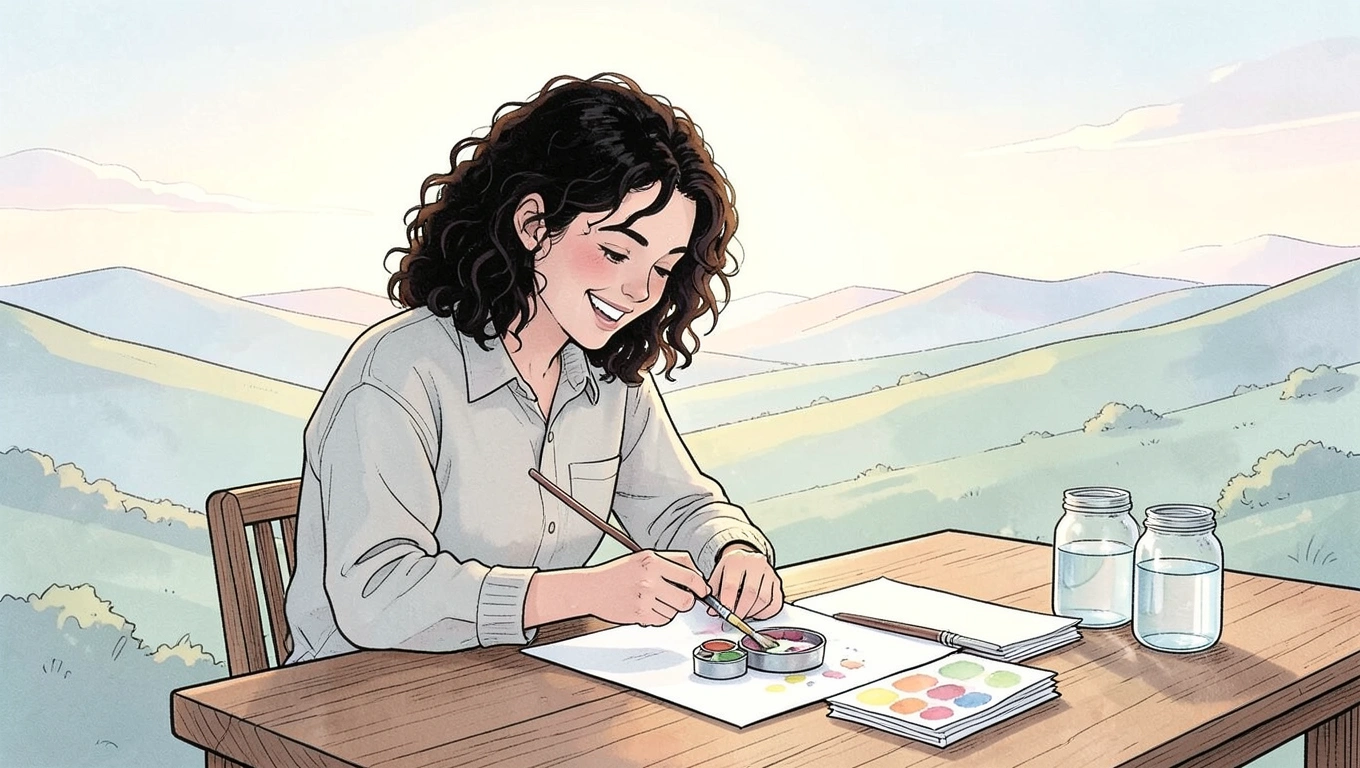
Watercolor painting has a reputation for being difficult, but the truth is that it's one of the most forgiving and accessible mediums for beginners. The transparent, flowing nature of watercolors allows for beautiful accidents and unexpected discoveries that actually make you a better artist. Unlike oils or acrylics, you don't need an expensive studio setup or ventilation systems. A basic palette, some brushes, paper, and water are all you need to start creating. The medium is incredibly portable, which means you can paint anywhere from your kitchen table to a park bench. Most importantly, watercolors teach you to let go of perfectionism and embrace the organic, unpredictable qualities that make this medium so captivating.
Understanding What Makes Watercolors Unique
Watercolor behaves differently from any other paint you've encountered. The defining characteristic is transparency - light passes through the paint layers and reflects off the white paper beneath, creating those luminous, delicate effects that watercolors are known for. This transparency means you build depth through layering washes, gradually adding darker tones rather than mixing opaque colors directly on the paper.
Another fundamental principle surprises many beginners: white comes from the paper itself, not from paint. In traditional watercolor technique, you preserve white areas by leaving the paper unpainted. There's no covering up or painting over mistakes with white paint the way you might with acrylics. This "working backward" approach feels strange at first, but it forces you to plan your painting and think about where your lightest values will be.
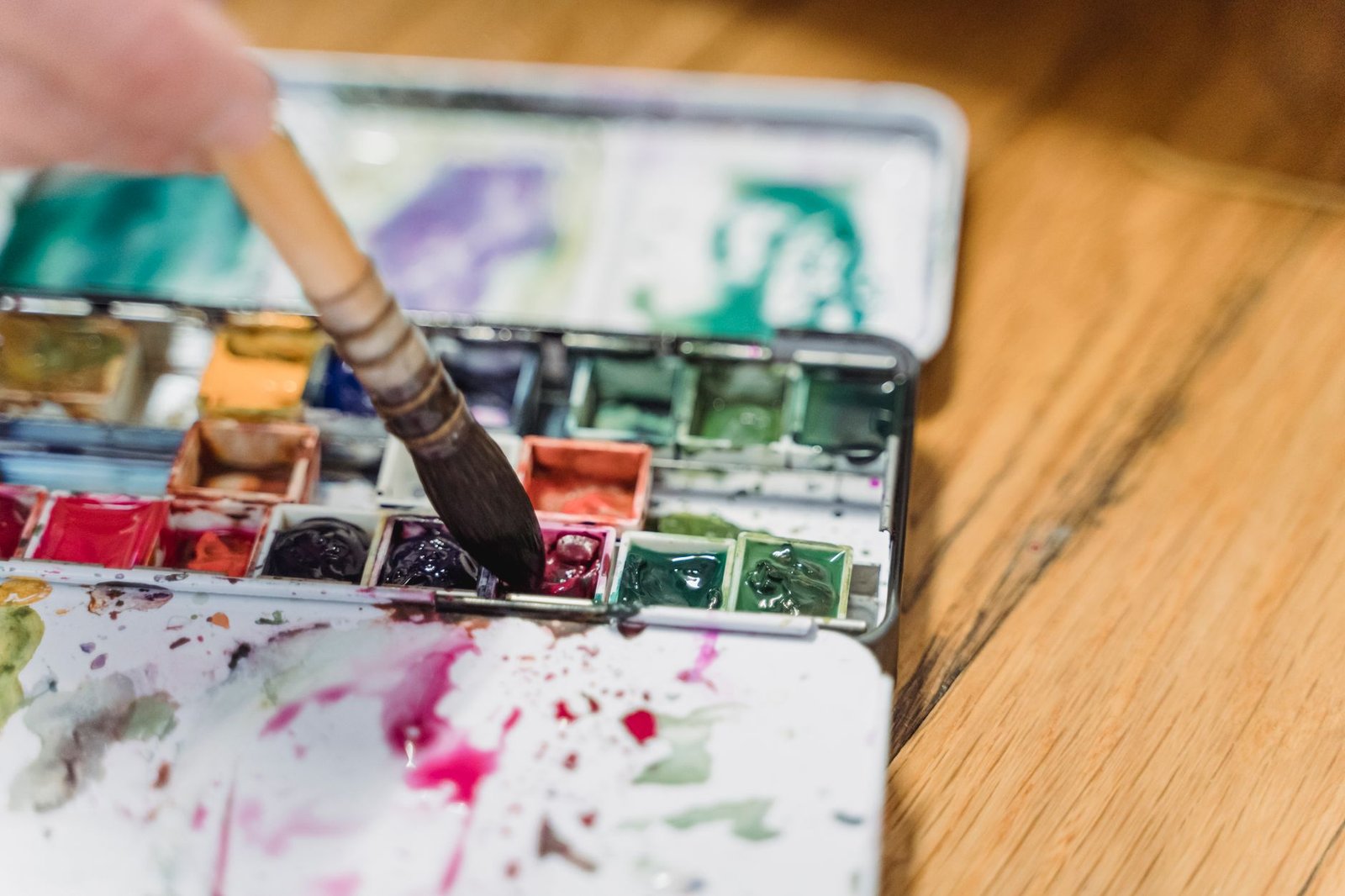
Water is your real medium here, not just the paint. The amount of water you use determines everything - from transparent glazes to rich, saturated color. Too much water and your paint will pool unpredictably. Too little and you'll get streaky, uneven coverage. Learning to control water-to-paint ratios is the single most important skill you'll develop, and it comes only through practice and observation.
Getting the Right Supplies Without Overspending
You don't need to spend hundreds on supplies to start, but a few strategic choices will save you enormous frustration. The most important investment is good paper. Using 100% cotton paper can significantly improve the beginner's experience because it holds water longer, allowing for smoother blending and better results with wet-on-wet techniques. Cheap cellulose paper warps, pills, and doesn't allow proper blending. You don't need the most expensive brand, but look for 100% cotton paper in 140lb weight as your starting point.
For paints, student-grade watercolors from reputable brands work perfectly fine for learning. A basic palette of twelve colors gives you everything you need - the primaries (red, yellow, blue), a few earth tones, and some convenience mixes. Pan sets are more portable and less messy than tubes, making them ideal for beginners who want to paint in different locations. Tubes offer more paint volume and are easier to mix large washes, but either format works.
Brushes matter, but you don't need a dozen different shapes. Start with three round brushes in different sizes - a large one for washes, a medium for general painting, and a small one for details. Round brushes are versatile and can create both fine lines and broad strokes depending on pressure and angle. Look for brushes that hold their point when wet and spring back into shape. Synthetic brushes designed for watercolor work well and cost far less than natural hair options.
Beyond these basics, you'll need two water containers (one for rinsing, one for clean water), paper towels or a cloth for blotting, and masking tape to secure your paper to a board. That's genuinely all you need to begin.
Essential Techniques Every Beginner Should Practice
Before you attempt a complete painting, spend time with fundamental techniques. The wet-on-wet method involves applying paint to already wet paper or wet paint, creating soft, blended edges and organic color transitions. Load your brush with color, wet an area of your paper with clean water, then touch the paint to the wet surface and watch it spread. This technique is perfect for skies, backgrounds, and creating atmospheric effects.
Wet-on-dry is the opposite - applying wet paint to dry paper for crisp, controlled edges. This method gives you precision and is useful for details, defined shapes, and layering once previous washes have dried. Most paintings combine both approaches, using wet-on-wet for loose areas and wet-on-dry for sharper definition.
Glazing is the process of layering transparent washes to build depth and complexity. Let each layer dry completely before adding the next. This technique creates rich colors that seem to glow from within the paper. Start light and gradually add darker values. You can't easily remove paint once it's down, so working from light to dark protects your highlights.
Practice controlling your water-to-paint ratio by creating value scales. Mix paint with varying amounts of water to create a range from pale tint to full-strength pigment. This exercise trains your eye to judge how much water you need for different effects. The same exercise works for mixing colors - test your combinations on scrap paper before committing them to your painting.
Starting Your First Paintings with Confidence
Your first few paintings should be simple subjects that let you focus on technique rather than complex compositions. Single objects like fruit, simple flowers, or basic landscape elements work well. Choose subjects with clear light and shadow so you can practice value relationships without getting overwhelmed by detail.
One of the most valuable initial tips for watercolor beginners is to embrace mistakes, as they are a natural part of the learning process and can lead to unexpected discoveries. That unexpected bloom where paint spread beyond your intended area? It might become the most interesting part of your painting. The way colors mixed unpredictably on the paper? You just learned something about how those pigments interact.
Work small at first. Quarter-sheet or even postcard-sized paintings let you complete pieces quickly, which builds momentum and confidence. You'll learn more from finishing ten small paintings than from struggling with one large, intimidating piece. Small formats also use less paint and paper, so you can experiment without worrying about wasting expensive materials.
Keep your compositions simple. A successful painting of three apples teaches you more than an abandoned painting of an entire fruit bowl. Focus on observing your subject carefully - where are the lightest lights and darkest darks? How do colors shift in shadow? Watercolor rewards careful observation more than technical virtuosity.
Summary
- Watercolors are transparent, building depth through layered washes rather than opaque coverage, with white areas preserved by leaving paper unpainted
- Good 100% cotton paper is the most important supply investment, holding water longer and allowing better blending than cheap alternatives
- You only need basic supplies to start: a 12-color palette, three round brushes in different sizes, good paper, and water containers
- Master wet-on-wet technique for soft edges and wet-on-dry for crisp control before attempting complete paintings
- Embrace mistakes as learning opportunities - unexpected effects often become the most interesting parts of watercolor paintings
- Start with small, simple subjects to build confidence and complete paintings quickly rather than struggling with complex compositions
- The portable nature of watercolors means you can practice anywhere, making it easy to paint regularly and develop your skills
Final Thought
The beautiful thing about watercolor is that it remains challenging and surprising even for experienced artists. The medium never becomes completely predictable or controllable, and that's precisely what makes it endlessly fascinating. As a beginner, this quality works in your favor because everyone, regardless of skill level, is negotiating with the same forces of water, pigment, and paper. Your early attempts won't look like professional work, but they'll have an authenticity and freshness that's worth more than technical perfection.
The artists who succeed with watercolor aren't necessarily the most talented - they're the ones who show up regularly, experiment fearlessly, and learn from every painting whether it succeeds or fails. Set aside time to paint even when you don't feel inspired. Work through frustration instead of abandoning the medium when paintings don't turn out as planned. Compare your current work to your own earlier pieces, not to someone else's Instagram feed. Progress in watercolor isn't linear, but it's inevitable if you keep painting. Give yourself permission to be a beginner, to make messy paintings, and to discover what this medium can teach you about seeing, patience, and letting go of control.
Questions?
What's the best way to fix mistakes in watercolor?
While you can't completely erase watercolor once it's dried, you have options. For fresh paint, quickly blot with a clean, damp paper towel or sponge. For dried paint, gently lift some pigment with a damp brush or sponge, though some staining pigments won't lift completely. The best approach is planning ahead to preserve whites and light areas, since you can't easily paint over mistakes with white. Many artists incorporate "mistakes" into their paintings or use them as learning experiences for the next piece.
How long should I wait between layers?
This depends on your paper, climate, and how wet your wash was, but generally 10-15 minutes for thin washes and 30 minutes or more for heavy applications. The paper should feel cool to the touch when still damp and return to room temperature when fully dry. Working on wet paper creates soft edges, while working on completely dry paper gives crisp edges. If you're unsure, wait longer - rushing layers causes muddy colors and lifts previous layers.
Do I really need expensive artist-grade paints to start?
No, student-grade paints from quality brands work perfectly well for learning. Artist-grade paints have more pigment and less filler, meaning stronger colors and better mixing, but they cost two to three times as much. Start with student grade and invest in artist grade for specific colors you use frequently once you've developed your skills and preferences. The quality of your paper matters more than paint quality when you're beginning.
Can I use regular printer paper for practicing?
Regular paper isn't designed to handle water and will warp, pill, and tear when wet, creating frustration rather than useful practice. Instead, buy inexpensive watercolor paper pads or student-grade blocks for practice. If budget is tight, cut full sheets into smaller pieces to make your paper go further. The paper's ability to hold water and withstand scrubbing directly affects your results - it's not an area where you can effectively cut corners and still learn proper technique.