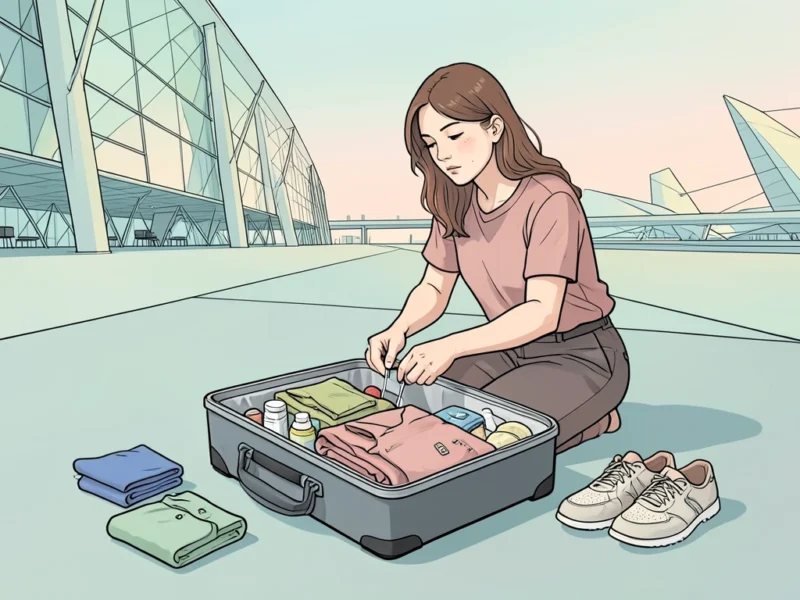
Rail journeys with young children can feel like a leap of faith. You picture the romance of watching countryside roll by together, but reality often involves dropped snacks, restless toddlers, and the nagging worry you forgot something crucial. The good news? With the right preparation, a day out by train can become one of those family memories your kids talk about for years. Train travel offers space to move around, changing landscapes that hold attention better than any screen, and the simple joy of going somewhere together without fighting traffic. The secret lies not in packing everything you own, but in choosing the right essentials and embracing the journey as part of the adventure.
Planning Your Journey Before You Pack
The best rail trips with young ones start before you even think about bags. Timing matters enormously. Off-peak trains tend to be quieter, giving you breathing room when you need to manage luggage, navigate with a stroller, or simply settle wiggly children without an audience. Arriving at the station about 30 minutes before departure transforms chaos into calm. You have time to find your platform, let children watch the trains arrive (which is half the entertainment), and board without that frantic, stressful rush.
Money-saving opportunities exist if you look. Children under five often travel free of charge on many rail services, though they may not have a reserved seat. Child fares typically run at half the price of adult tickets, and family railcards can push savings even further. Download a train timetable and turn it into an activity. Kids love tracking progress, counting stops, and learning which stations come next. It makes geography tangible in ways a map never could.
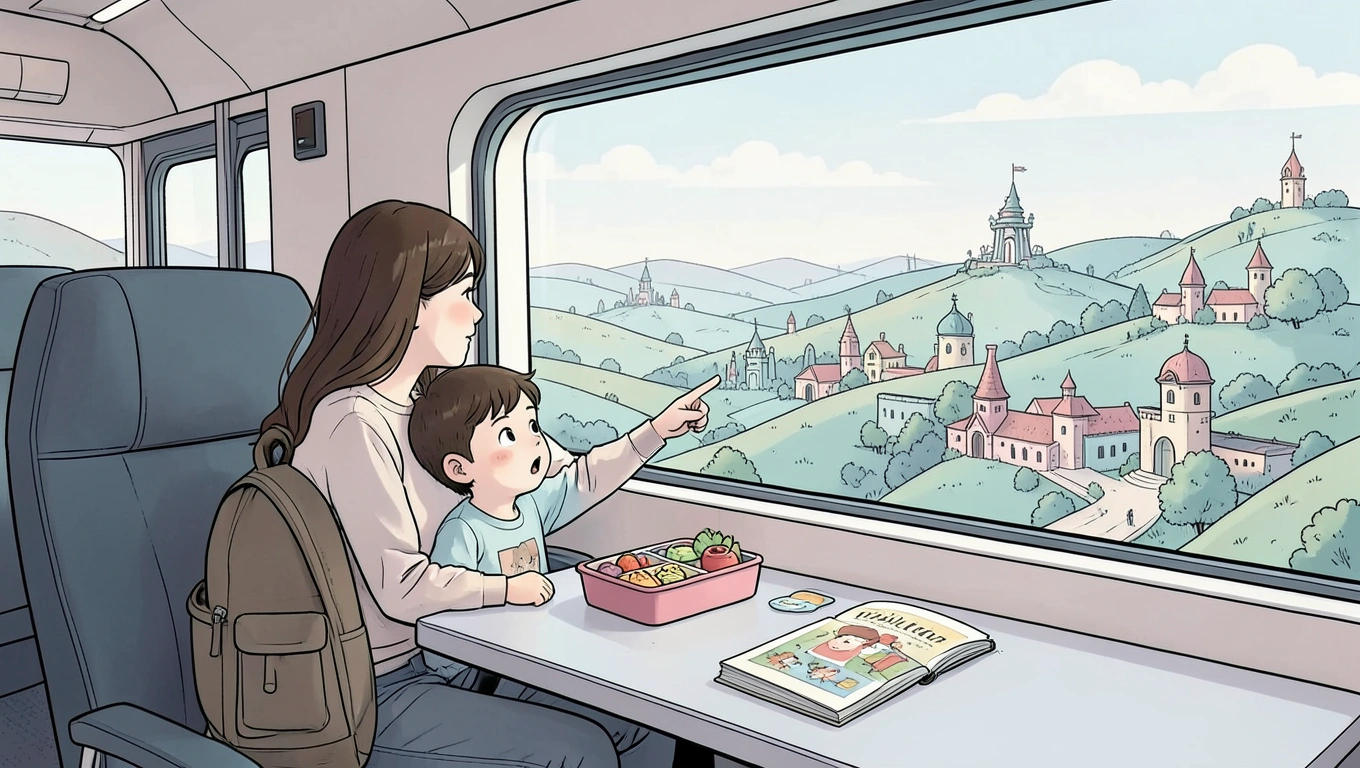
Seat selection deserves thought. Table seats work beautifully for families because they create a natural gathering spot for games, coloring, and shared snacks. Everyone faces each other, conversation flows naturally, and you can spread out a bit. If you have very young children who might nap, a window seat away from the aisle protects them from passing foot traffic. Book early when you can choose rather than accept whatever remains.
The Essentials Bag: What Actually Matters
Pack with purpose, not panic. Start with a child-care bag you can grab quickly: diapers, wipes, a change of clothes sealed in a ziplock bag for accidents, and hand sanitizer. Trains have bathrooms, and according to Amtrak, most cars include at least one bathroom with many equipped for diaper changes, but you still want essentials at hand. Wet wipes serve double duty for messy hands and quick cleanups. Tissues vanish faster than you expect.
A small first-aid kit matters more than you think. Band-aids for mystery scrapes, children's pain reliever for sudden headaches or teething pain, any regular medications your child takes. Nothing elaborate, just the basics that prevent a minor issue from derailing the whole day. Include any comfort items your child relies on: a favorite small toy, a blanket, a stuffed animal. Familiar objects help children settle in unfamiliar environments, especially if delays stretch the journey longer than planned.
Snacks rank as essential, not optional. They satisfy hunger between meals, yes, but they also provide occupation. Packing snacks your children can eat slowly works better than quick-finish treats. Think cheese sticks, cut fruit in containers, crackers, granola bars. Avoid anything too crumbly or sticky. A refillable water bottle for each child prevents constant requests for drinks. If you forget snacks entirely, trips to the café car can serve as brief, engaging activities that break up sitting time.
Entertainment That Works in Motion
Screen time has its place, but save it as a fallback for truly fussy moments rather than your opening move. Downloaded content on tablets provides reliable entertainment even when Wi-Fi disappoints or vanishes in tunnels. Download a few episodes of favorite shows, some music, maybe an audiobook. Charge devices fully before leaving and bring a battery pack because photo-taking drains phone batteries shockingly fast.
Non-digital entertainment often holds attention better anyway. Coloring books and crayons remain timeless for good reason. Sticker books let children create without mess. Small new toys, revealed partway through the journey, capture interest when familiar items lose their appeal. Consider a child-friendly camera if your kids enjoy photography. They can document the journey from their perspective, which keeps them engaged with the passing scenery.
The windows themselves offer endless entertainment if you frame it right. Play "I Spy" with the changing landscapes. Try window narration games where you ask what they see and build stories around passing houses, animals, or landmarks. Give children simple jobs: count red cars in parking lots, spot farm animals, identify how many tunnels you pass through. These activities cost nothing, require no packing space, and turn the journey into active exploration rather than passive sitting.
Rotating activities every 20 to 30 minutes maintains engagement better than marathon sessions of one thing. Start with looking out windows, switch to a coloring book, have a snack, play a quick game, take a walk to stretch legs. Variety prevents boredom from setting in. The train itself provides natural breaks when you pull into stations, giving everyone a moment to reset attention.
Keeping Your Flexibility and Sanity
Delays happen. Connections get missed. Children spill things or need bathroom breaks at inconvenient moments. Your attitude toward these inevitabilities shapes whether the day feels like disaster or adventure. Flexibility matters more than perfect execution of your plan. Build buffer time into your schedule so a 15-minute delay doesn't cascade into crisis. If you planned museum time at your destination, make it loose rather than tied to a specific entry slot.
Dress children in comfortable, layered clothing. Trains vary in temperature, and layers let you adapt quickly. Comfortable shoes matter because you will walk more than you anticipate between platforms, up stairs, through stations. Skip outfits with complicated buttons or ties that make bathroom visits stressful. Think about quick changes if accidents happen.
Remember that the journey itself can be the adventure, not just what happens at your destination. Encourage children to spot landmarks, notice how the landscape changes from urban to rural, talk about what different areas look like. The train window becomes a moving picture book. Historical context can enrich the experience: trains became regular commuting tools around the 1840s, fundamentally changing how people experienced distance and time. That history lives in every rail journey you take together.
Connect with other passengers when it feels natural. Train travel offers unique opportunities to chat with strangers in ways that isolated car travel never does. Many people smile at young children, share brief conversations, or offer helpful advice. These small interactions can become surprisingly memorable parts of the trip. Just keep supervision close and trust your instincts about when to engage and when to keep to yourselves.
Summary
- Arrive 30 minutes early and choose off-peak times for quieter, less stressful boarding and travel
- Book table seats when possible - they transform shared meals and activities into natural family time
- Pack a quick-access bag with diapers, wipes, clothes, sanitizer, and a basic first-aid kit
- Bring snacks that last (not quick-finish treats) plus refillable water bottles for each child
- Rotate activities every 20-30 minutes: windows, coloring, games, walks, snacks keep boredom at bay
- Use downloaded content as a fallback, not your opening entertainment move
- Build flexibility into your schedule - buffer time prevents delays from becoming disasters
Final Thought
Taking young children on a rail journey requires more preparation than traveling solo, but it offers rewards that surprise you. The view from train windows captivates children in ways that car travel, where scenery blurrs past too quickly, simply cannot match. You watch your kids press faces against glass, pointing at horses in fields or counting tunnel entrances, and realize they are building spatial awareness and curiosity about the wider world. The rhythm of rail travel - steady, predictable, with clear stops and starts - suits children better than the stop-and-go frustration of highway traffic.
What stays with families is rarely the destination itself but those small moments in between. The stranger who made your toddler laugh. The sandwich shared at a table seat while countryside rolled past. The excitement when the conductor walked through checking tickets. These become the stories you tell later, the memories that stick. Pack thoughtfully, plan loosely, and remember that perfect trips exist only in imagination. Real trips, with their small mishaps and unexpected joys, are the ones worth taking.
Questions?
Do children need their own train tickets?
Children under five typically travel free but may not have a reserved seat, meaning they sit on your lap if the train is full. Children aged five and older generally need their own ticket, usually at half the adult fare. Family railcards can reduce costs further, so check what your rail service offers before booking.
What if my child has a meltdown on the train?
Stay calm and remember that most passengers understand children struggle sometimes. Take your child to the space between cars if you need a moment away from other passengers. Having comfort items, snacks, and backup entertainment helps, but sometimes children just need to feel their feelings. It passes, and the journey continues.
Can I bring a stroller on the train?
Yes, though folding it for storage works better than blocking aisles. Most trains have designated luggage areas where strollers fit. Lightweight, compact strollers navigate train aisles and stations far more easily than large models. Consider wearing younger babies in carriers for maximum mobility.
How do I keep my child safe on a moving train?
Keep children seated when the train is moving, especially around curves or during braking. If they walk around, hold their hand and remind them to use handrails. Stay close in bathrooms, as floors can be slippery and the motion makes balance tricky. Watch doors between cars, which close automatically and can pinch fingers.