
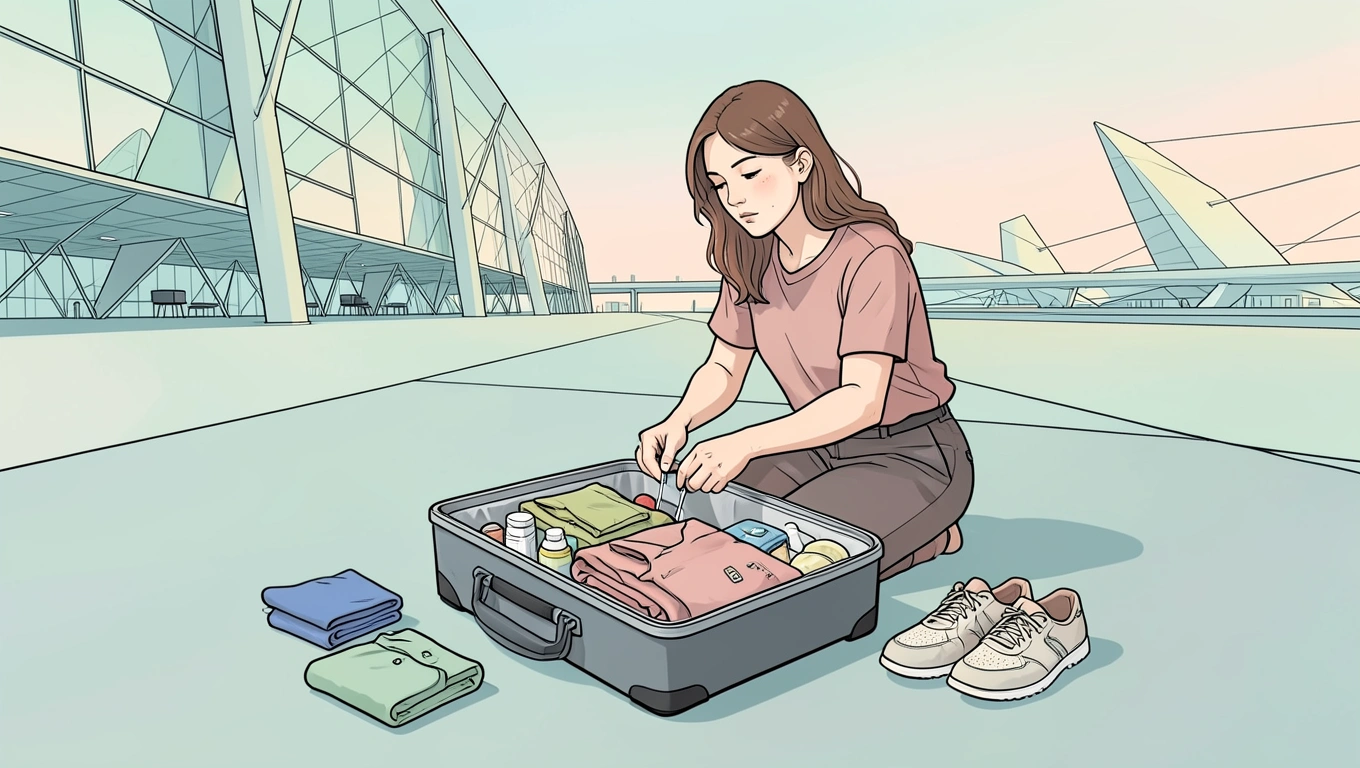
A long weekend away should feel freeing, not stressful. Yet the moment you start packing, decisions pile up fast. What do you really need? How do you fit three days into one bag without looking like you've given up on style? The good news is that packing a carry-on for a short trip doesn't require magic or a degree in spatial geometry. It just takes a plan, a few smart choices, and the willingness to leave behind things you'll never actually use. When you nail your carry-on packing routine, you skip baggage claim, move faster through airports, and start your weekend the second you land.
Understanding Carry-On Size and Liquid Rules
Before you toss anything into your bag, you need to know the boundaries. Most domestic airlines enforce a maximum carry-on size of 22 x 14 x 9 inches, though some budget carriers shrink that window. Always double-check your airline's specific policy before you travel, because gate-checking a bag you thought would fit wastes time and energy.
Then there's the liquid question. The TSA's 3-1-1 rule stays in effect for 2026: liquids, aerosols, gels, creams, and pastes must each be 3.4 ounces (100 milliliters) or less, all packed into one quart-sized clear bag per passenger. That includes obvious items like shampoo and lotion, but also less obvious ones like peanut butter, mascara, and lip gloss. If it pours, pumps, spreads, sprays, or squeezes, it counts as a liquid.
Solid alternatives sidestep the rule entirely. Shampoo bars, toothpaste tablets, and solid deodorants don't need to fit into your liquids bag, which frees up room for the things that genuinely need liquid form. Switching even one or two toiletries to solid versions can make the difference between cramming and packing comfortably. You'll also reduce the risk of leaks, which is never fun when you're digging through your bag to find a clean shirt.
Choosing Your Clothes Strategically
Three days sounds short, but it's long enough to overthink your wardrobe. The secret is building a capsule that mixes and matches. Pick a color palette, usually two neutrals and one accent, so every top works with every bottom. That means five pieces can create a dozen outfits without looking repetitive.
Start with what you're wearing on the plane. Your bulkiest items, like a coat, heavy shoes, or a thick sweater, should go on your body, not in your bag. That single move frees up more space than any packing trick. Once you've handled the bulk, think about your destination. A beach weekend requires swimwear and sandals. A city break calls for walking shoes and layers. A mountain cabin means warm socks and a fleece. Don't pack for every possible scenario. Pack for the one you're actually doing.
Rolling clothes instead of folding them saves space and reduces wrinkles, a tried-and-true method that still works. Packing cubes take it further by compressing your clothes and keeping categories separate. One cube for tops, one for bottoms, one for undergarments. When you open your bag mid-trip, you're not rummaging through chaos. You're pulling exactly what you need without disturbing the rest.
Limit yourself to three or four tops, two bottoms, and one extra layer. Add undergarments and socks for each day, plus one spare set. If you're staying somewhere with laundry access, you can stretch your wardrobe even further. A quick sink wash and overnight dry can reset your basics, especially for items like workout gear or swimsuits that you'll use repeatedly.
Packing Toiletries and Personal Items
Toiletries balloon fast if you let them. The instinct is to bring full-sized everything, but a long weekend doesn't require it. Travel-sized versions of your essentials fit the TSA rules and lighten your load. Most drugstores sell mini bottles, or you can refill small containers from your regular supplies at home.
Think about what your accommodation provides. Many hotels offer shampoo, conditioner, and body wash. If you're staying with friends or in a rental, ask ahead. You might only need to bring face wash, moisturizer, and any prescription items. Don't duplicate what's already there.
Makeup and skincare deserve the same scrutiny. Bring a streamlined routine, not your entire bathroom counter. A tinted moisturizer with SPF replaces foundation and sunscreen in one step. A multi-use stick for lips and cheeks cuts down on products. If you're traveling somewhere humid or relaxed, maybe you skip a few steps entirely. Your skin will survive three days without the full ten-step ritual.
Medications, glasses, and chargers belong in your carry-on, never in checked luggage. If your bag goes missing, you want your prescriptions and your phone cable with you. Pack these items in an easy-access pocket so you're not digging through clothes to find your headache medicine mid-flight. A small pouch keeps cords from tangling and makes repacking faster when you're rushing to catch a return flight.
Making the Most of Every Inch
Dead space is your enemy. Shoes, for example, are hollow. Stuff socks, chargers, or small toiletries inside them. Roll belts along the perimeter of your bag. Tuck scarves or lightweight jackets into gaps between larger items. Every bit of volume counts when you're working within the limits of a carry-on.
A personal item, whether it's a backpack, tote, or crossbody bag, gives you a second container. Most airlines allow one carry-on plus one personal item, and that personal item can hold more than you think. Put your laptop, book, snacks, and in-flight essentials here. Keep your jacket draped over it if the overhead bin fills up. The personal item doubles as your day bag once you reach your destination, so choose something that serves both roles.
Vacuum bags or compression sacks can shrink bulky items like sweaters or puffy jackets, but they're overkill for a weekend trip unless you're heading somewhere genuinely cold. For most travelers, packing cubes and smart rolling provide enough compression without the fuss of sucking air out of plastic. Save the vacuum bags for longer trips or winter gear.
Jewelry and small valuables should stay on your body or in your personal item, never buried in your carry-on. If you're bringing anything you'd be upset to lose, keep it close. The same goes for important documents. A passport, tickets, and hotel confirmations deserve a dedicated pocket where you can grab them without unpacking half your bag.
Summary
- Most airlines cap carry-on luggage at 22 x 14 x 9 inches, so verify your airline's rules before packing.
- The TSA's 3-1-1 liquid rule limits containers to 3.4 ounces each in one quart-sized bag; solid alternatives like shampoo bars bypass this restriction.
- Wear your bulkiest clothes and shoes on the plane to free up significant space in your bag.
- Rolling clothes and using packing cubes save space, reduce wrinkles, and keep items organized.
- Build a mix-and-match capsule wardrobe in two neutrals and one accent color for maximum outfit combinations.
- Pack travel-sized toiletries and skip items your accommodation already provides.
- Use dead space inside shoes and along bag edges for small items, chargers, and accessories.
Final Thought
Packing a carry-on for a long weekend isn't about cramming everything you own into a small bag. It's about making intentional choices that match your actual plans. Most of us overpack out of fear, not need. We imagine worst-case scenarios where we'll desperately want that fourth shirt or those extra shoes, but those moments rarely come. What does come is the freedom of moving through an airport without dragging a heavy bag, the relief of skipping the luggage carousel, and the simplicity of having exactly what you need and nothing you don't.
The more you practice carry-on-only travel, the easier it gets. You start to recognize your patterns, which clothes you reach for and which stay folded at the bottom. You learn which toiletries matter and which are just comforting clutter. A long weekend becomes less about preparation and more about the trip itself. That shift in mindset matters. When packing stops feeling like a chore and starts feeling like a skill, every departure gets a little smoother. And that's the whole point of traveling light in the first place.
Questions?
What if my carry-on doesn't fit in the overhead bin?
If your bag exceeds airline size limits or the overhead bins fill up, gate agents may require you to check it. To avoid this, check your airline's specific carry-on dimensions before you leave home and pack within those boundaries. Boarding early also increases your chances of securing bin space. If you're flying on a smaller regional plane, expect tighter restrictions and be ready to gate-check if asked.
Can I bring full-sized toiletries in my carry-on if they're solid?
Yes. Solid items like bar soap, shampoo bars, and toothpaste tablets don't count toward the 3-1-1 liquid rule and can be any size. This exemption gives you more flexibility and frees up space in your quart-sized liquids bag for items that must stay in liquid form. Just make sure the product is genuinely solid, not a thick cream or paste, which the TSA still classifies as a liquid.
How many pairs of shoes should I pack for a long weekend?
Two pairs usually cover most long weekends: the ones you wear on the plane and one backup pair in your bag. Choose shoes that serve multiple purposes. Comfortable walking shoes or clean sneakers work for daytime exploration and casual dinners. If you need dressier footwear, pack lightweight flats or loafers that don't take up much room. Avoid packing heavy boots or multiple specialty shoes unless your itinerary genuinely requires them.
What's the best way to prevent my clothes from wrinkling in a carry-on?
Rolling clothes instead of folding them reduces creases and saves space. Packing cubes add light compression that helps garments stay smooth. For items that wrinkle easily, like dress shirts or linen pants, roll them tightly and place them on top of other layers rather than at the bottom where they'll bear weight. Hanging clothes in the bathroom while you shower also releases light wrinkles without needing an iron.