

Software subscriptions have a sneaky way of piling up. What starts as a few essential tools quickly becomes a sprawling collection of logins, monthly charges, and features nobody uses. For small businesses watching every dollar, these costs add up fast. The good news? You have more control than you think. With some strategic pruning, smart negotiation, and a clearer view of what you actually need, you can keep the tools that matter while cutting out the waste. Let's look at how to make that happen without sacrificing productivity.
Audit Your Current Stack and Kill the Zombies
Here's a sobering fact: small businesses waste up to 48% of their software spend on forgotten or duplicate subscriptions. That's nearly half your budget going to tools that no one remembers signing up for or that three different team members bought separately because they didn't know the company already had access.
Start by making a complete list. Check your credit card statements, ask department heads what they're using, and look at every recurring charge. You'll be surprised what you find. Maybe you're paying for both Slack and Microsoft Teams. Perhaps someone signed up for a premium analytics tool during a campaign that ended six months ago. Or you've got four different project management platforms because each team picked their own favorite.
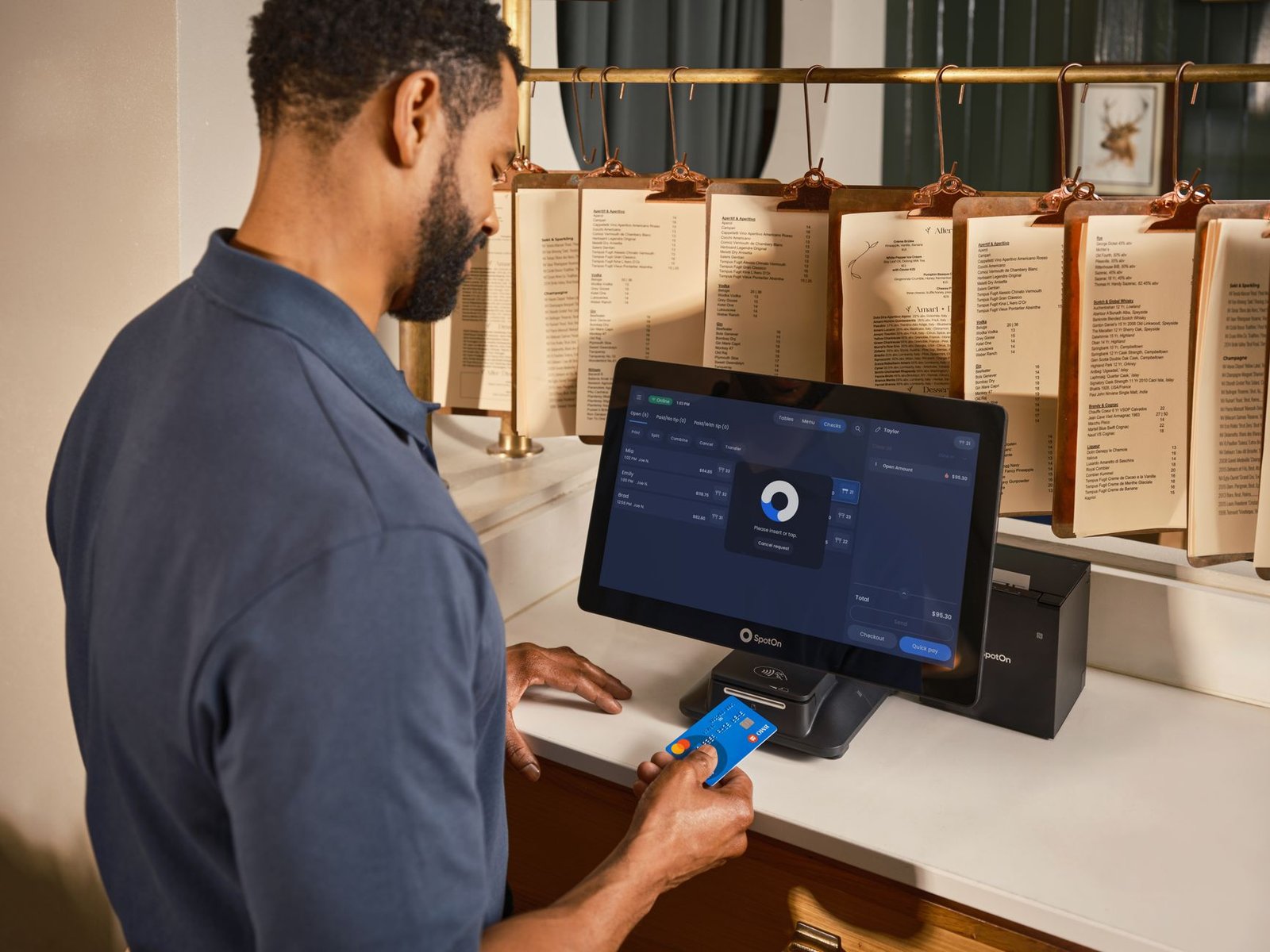
Once you have the list, ask three questions about each tool: Who uses it? How often? What would break if we cancelled it tomorrow? If the answer to that last one is "nothing," you've found your first cut. If only two people use something once a month, that's a strong candidate too. The goal isn't to slash everything - it's to match your spending with your actual needs.
This audit isn't a one-time thing either. Set a calendar reminder every quarter to review your subscriptions. Software creep happens gradually, and regular check-ins keep it from getting out of hand. Make someone on your team responsible for maintaining the list and flagging anything that looks redundant or underused.
Negotiate Like Your Vendors Expect You To
Most small business owners pay the sticker price on software without realizing there's often significant pricing flexibility built into contracts. Vendors, especially in the B2B space, expect you to negotiate. They've got room to move on price, payment terms, and feature bundles.
Timing matters here. Research shows that engaging with software vendors 90 to 120 days before a contract expires gives you better leverage for negotiating renewal terms. You're not desperate, you're not rushed, and you have time to explore alternatives if they won't budge. That position of strength changes the conversation.
When you reach out, come prepared. Know your usage data - how many seats you actually need, which features you use, which ones you ignore. If you're only using 60% of your licensed seats, say so. If you've been a customer for three years with zero support tickets, mention it. Vendors value stable, long-term customers and will often discount to keep you around.
Don't be afraid to ask for custom packages either. Maybe you don't need the premium support tier because you've got technical staff in-house. Maybe you can drop to a lower plan and add specific features à la carte. According to industry analysis, many new software contracts have significant pricing flexibility, so negotiating terms including support levels can lead to substantial savings.
And here's a tactic that works surprisingly well: tell them you're exploring alternatives. You don't have to threaten to leave, just let them know you're reviewing options. Often that's enough to trigger a retention offer with better pricing or added features at no extra cost.
Right-Size Your Licenses and Usage
Paying for 50 user licenses when you only have 35 employees is wasteful, but it happens all the time. Companies buy software based on projected growth that doesn't materialize, or they forget to scale down licenses when people leave. Aligning software licensing agreements with actual current and expected usage levels can significantly impact pricing power during renewals.
Look at your actual usage numbers, not what you think you use. Most software platforms have analytics showing you exactly how many people logged in last month, which features got clicked, and where your team spends their time. Use that data to make decisions. If you're paying for advanced features nobody touches, drop down a tier. If half your licenses sit idle, cut them.
Be realistic about growth too. Yes, you might hire five more people this year, but do you need to pay for those licenses today? Most software vendors will let you add seats mid-contract, often at the same rate. There's no advantage to paying now for capacity you'll use in six months.
Consider usage-based pricing models where they make sense. Instead of paying a flat monthly fee regardless of how much you use something, some platforms charge based on actual consumption - number of emails sent, storage used, API calls made. For tools you use sporadically, this can save serious money compared to an all-you-can-eat subscription.
Consolidate and Choose Multi-Function Tools
Every standalone tool you pay for is an opportunity to consolidate. Can your email platform handle marketing automation too? Does your project management software include time tracking? Could one comprehensive suite replace three separate point solutions?
Platforms like Microsoft 365 or Google Workspace offer dozens of tools under one subscription. You get email, storage, collaboration, video conferencing, and more for less than you'd pay buying each piece separately. Yes, specialized tools sometimes do one thing better, but ask yourself honestly: does your team need the absolute best, or does 90% as good for 50% less money make more sense?
The savings go beyond the subscription cost too. Fewer tools means less time switching between platforms, fewer passwords to manage, simpler onboarding for new employees, and fewer vendor relationships to maintain. All of that has value even if it's harder to measure.
That said, don't force consolidation where it doesn't fit. If your designers rely heavily on specialized software and switching to a general-purpose alternative would tank their productivity, that's not a smart trade. The goal is finding genuine overlap where a single tool can do multiple jobs well enough.
Summary
- Small businesses waste up to 48% of software budgets on forgotten or duplicate subscriptions - audit quarterly to catch them
- Contact vendors 90-120 days before contract renewal for maximum negotiating leverage and better terms
- Match licensing to actual usage, not projected growth - most platforms let you add seats mid-contract
- Negotiate on support levels, payment terms, and custom feature bundles - vendors expect it
- Consolidate tools where possible, choosing multi-function platforms over multiple point solutions
- Review actual usage analytics to identify underused features and opportunities to downgrade tiers
- Set regular calendar reminders to prevent software creep from gradually inflating costs
Final Thought
Cutting software costs isn't about deprivation or making your team work with inadequate tools. It's about being intentional. The software industry has conditioned us to say yes to everything - premium tiers, advanced features, extra seats just in case. But small businesses succeed by being smart with resources, and that means questioning whether each monthly charge truly pulls its weight.
The companies that manage software costs well aren't necessarily the ones spending the least. They're the ones who know exactly what they're paying for and why. They review regularly, they negotiate confidently, and they're not afraid to cut things that aren't working. That discipline creates breathing room in the budget for the tools and people that actually drive growth.
Start with that audit. You'll probably find at least a few hundred dollars a month in quick wins, and once you build the habit of reviewing and negotiating, the savings compound. Your software stack should work for you, not the other way around.
Questions?
How often should I review our software subscriptions?
Quarterly reviews work well for most small businesses. Set a recurring calendar reminder every three months to check usage, verify active subscriptions, and catch any zombie accounts before they accumulate. An annual deep dive should also examine whether your overall software strategy still aligns with business needs.
What if we're locked into annual contracts?
Start planning your exit or renegotiation 90-120 days before renewal. Document your usage, identify alternatives, and approach the vendor with data. Even if you can't cancel mid-contract, you can often negotiate better terms for the next period. Some vendors will also let you downgrade mid-contract if you make a compelling case about changed circumstances.
Can we really negotiate with big software companies?
Absolutely. While enterprise giants have less flexibility than smaller vendors, they still have retention budgets and authorized discount structures. The key is timing, preparation, and being willing to walk away. Sales reps have targets to hit, and keeping an existing customer is cheaper than acquiring a new one - use that to your advantage.
Should we switch to free alternatives to save money?
Sometimes, but be careful. Free tools can work great for non-critical functions, but they often come with limitations on features, support, storage, or users. Calculate the true cost including lost productivity, security risks, and time spent managing workarounds. A paid tool that saves your team five hours a week might be cheaper than a free one that creates friction.