
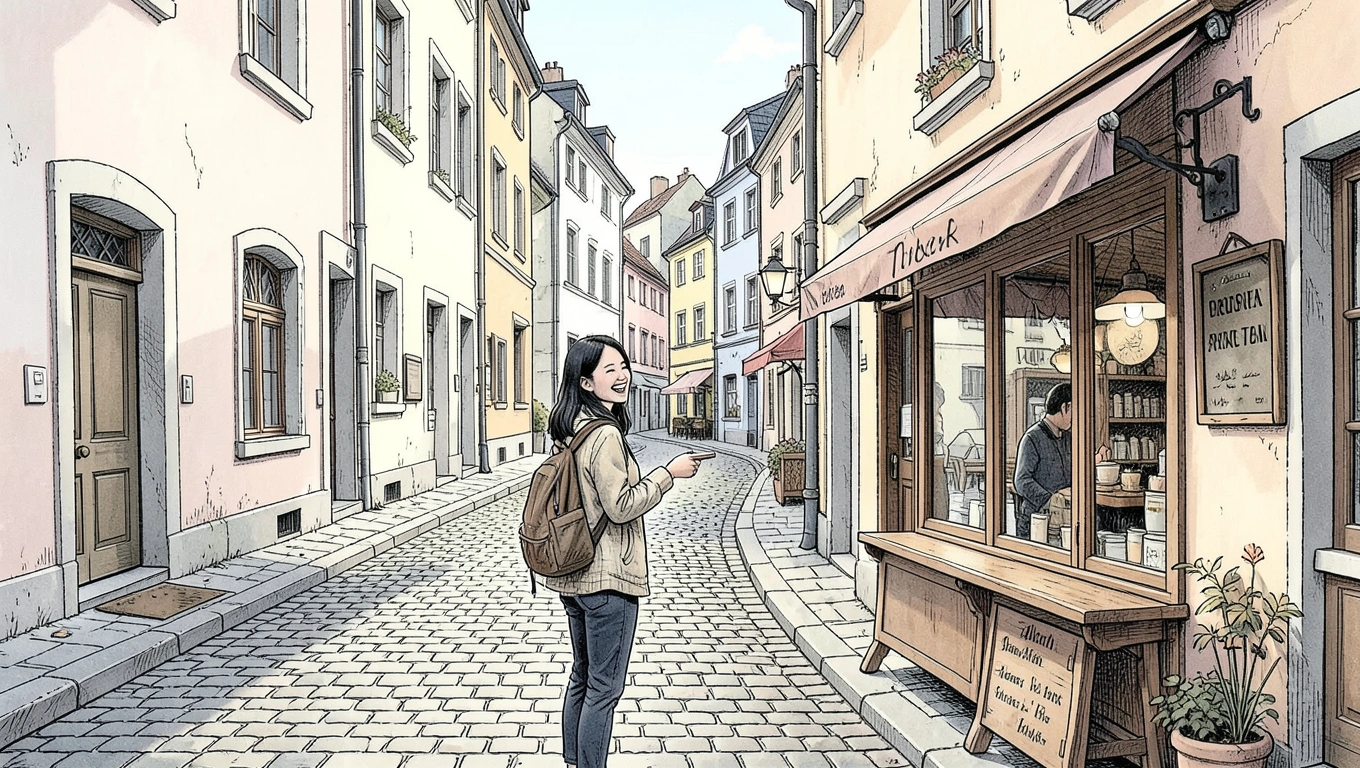
You can explore Europe without draining your savings or joining the selfie-stick parade at overcrowded landmarks. Smart travelers know that experiencing authentic local culture and staying within budget aren't mutually exclusive goals. With some strategic planning and a willingness to step off the beaten path, you'll discover that European city breaks offer incredible value when you know where to look and when to go. The secret isn't about settling for less - it's about making informed choices that lead to richer experiences at a fraction of the typical tourist cost.
Pick Your Timing and Destination Wisely
The difference between a budget-friendly trip and an expensive one often comes down to when and where you go. Traveling during shoulder season - roughly March through early May and late October through early December in most European destinations - gives you the sweet spot of pleasant weather, manageable crowds, and significantly lower prices. You won't be fighting through throngs of tour groups or paying premium rates for accommodation.
But timing is only half the equation. Consider swapping famous cities for their less famous but equally charming neighbors. Instead of Amsterdam, explore Utrecht or Leiden. Skip Barcelona and head to Valencia or Girona. These alternative cities offer similar architectural beauty, cultural experiences, and local cuisine without the inflated prices that come with being a top-tier tourist destination.
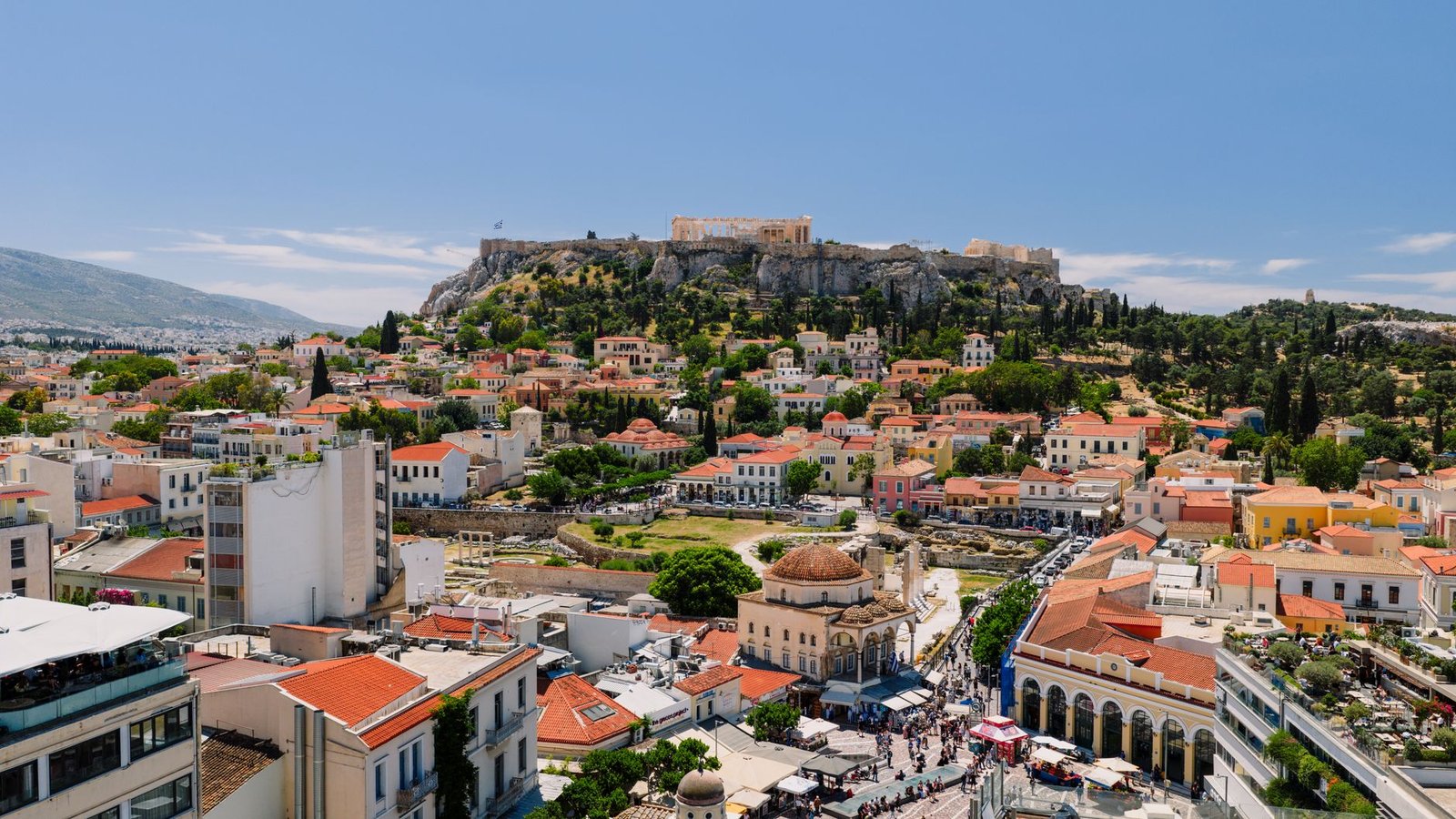
The savings add up quickly. A mid-range hotel in Prague's tourist center might cost double what you'd pay in Brno, Czech Republic's second-largest city, which offers its own castle, historic squares, and vibrant cafe culture. The same pattern repeats across the continent - lesser-known cities deliver authentic European experiences at prices that won't make you wince when checking your bank account.
Flight prices fluctuate wildly based on demand patterns. Booking several weeks in advance and maintaining flexibility with your travel dates can save substantial amounts. Flying on weekdays, particularly Tuesdays, typically costs less than weekend departures when leisure travelers crowd the airports. Budget airlines operate extensively across Europe, connecting smaller cities and regional airports where landing fees and operational costs remain lower than major hubs.
Find Where Locals Actually Eat and Drink
Nothing drains a travel budget faster than falling into tourist trap restaurants. You know the ones - picture menus displayed outside, aggressive hosts beckoning you in, and prices that make you question if they're accidentally charging in a different currency. The food quality rarely justifies the cost, and you're eating alongside other confused tourists rather than experiencing local dining culture.
Authentic local restaurants reveal themselves through subtle signs. Look for handwritten menus, often in the local language with limited translations. These spots typically feature shorter menus focused on seasonal ingredients and regional specialties rather than trying to please every palate. The absence of elaborate storefront displays or English-speaking hosts stationed outside usually indicates you've found somewhere genuine.
Venture at least three or four blocks away from major tourist attractions. The difference in both price and quality becomes immediately apparent. A pizza in Rome's city center near the Trevi Fountain might cost three times what you'd pay in Trastevere or Testaccio, neighborhoods where Romans actually live and eat. The pizza will likely taste better too, prepared by someone who cares about their local reputation rather than capitalizing on one-time tourist traffic.
Check when locals eat dinner in your destination city. In Spain, showing up at a restaurant at 7 PM marks you as a tourist - locals don't start dinner until 9 or 10 PM. Eating on the local schedule often means better service, fresher food, and sometimes lower prices during off-peak hours. Plus, you'll experience the social rhythms that define a place rather than participating in an artificial tourist timeline.
Research Beyond the Guidebook
Traditional travel guides serve a purpose, but they often lead everyone to the same spots at the same times. By the time a restaurant or attraction makes it into a popular guidebook, it's already on the tourist circuit with adjusted pricing to match. The internet offers better tools for uncovering current, authentic recommendations if you know where to look.
Local blogs written by residents provide insights you won't find in commercial travel guides. These writers share their favorite neighborhood bakeries, underrated museums, and seasonal events that visitors typically miss. Their recommendations come from genuine experience rather than advertising relationships or affiliate commissions. Search for blogs in English written by expats or bilingual locals in your destination city.
Travel forums and community-driven review sites help separate authentic experiences from manufactured tourist attractions. Look for recent posts and reviews - cities change quickly, and what was a hidden gem two years ago might now be featured in every travel influencer's Instagram feed. Pay attention to reviewers who live in the area or have visited multiple times rather than one-time tourists comparing everything to home.
Social media can work for research if you're selective. Instead of following travel influencers promoting sponsored content, search location tags to see what locals post about their own cities. Food bloggers who focus on a specific city often maintain current lists of openings, closings, and seasonal specialties. Just remember that the most photogenic spot isn't always the best value or most authentic experience.
Smart Booking Strategies That Actually Save Money
Accommodation typically represents your largest single expense after flights, making it worth the effort to book strategically. Comparing prices across multiple platforms reveals significant variations for the identical room. Hotels sometimes offer better rates through their own websites than through booking platforms, particularly if you call directly and ask about available discounts.
Consider apartment rentals for stays longer than two or three nights. Having a kitchen lets you prepare some meals yourself, which substantially reduces food costs without sacrificing the experience. Local markets across Europe offer incredible ingredients at prices far below restaurant meals. Breakfast alone costs 10-15 euros per person at many hotels - money you could save by buying pastries, fruit, and coffee from neighborhood shops.
Location matters more than star ratings when booking accommodation. A simple, clean hotel in a residential neighborhood with good public transport connections often provides better value than a fancier option in the tourist center. You'll experience local daily life, shop where residents shop, and pay what they pay. The money saved on accommodation and meals can fund experiences that matter more than thread count.
Public transportation passes save both money and time in most European cities. Many destinations offer multi-day tourist cards that include unlimited public transport plus discounts or free entry to museums and attractions. Calculate whether the math works for your specific itinerary - sometimes it does, sometimes buying individual tickets makes more sense. Either way, using metros, trams, and buses rather than taxis keeps costs down while helping you navigate like a local.
Summary
- Travel during shoulder season (March to early May, late October to early December) for better weather, smaller crowds, and lower costs
- Choose alternative cities over famous tourist capitals to find comparable experiences at significantly reduced prices
- Book flights in advance and fly on weekdays, especially Tuesdays, to secure cheaper fares
- Seek restaurants with handwritten menus in the local language, away from major tourist attractions where locals actually eat
- Research through local blogs, forums, and community reviews rather than relying solely on commercial travel guides
- Compare accommodation prices across platforms and consider apartments with kitchen facilities for longer stays
- Stay in residential neighborhoods with good transport links instead of paying premiums for tourist-center locations
Final Thought
Budget travel doesn't mean sacrificing quality or settling for second-rate experiences. It means being intentional about where your money goes and questioning assumptions about what makes a trip valuable. The best memories from European city breaks rarely come from ticking off famous landmarks or eating at restaurants recommended in every guidebook. They emerge from unexpected conversations with locals, stumbling onto neighborhood festivals, and discovering that hidden courtyard cafe where the coffee actually tastes better than the famous tourist spot.
The strategies outlined here work because they align your interests with local realities rather than fighting against them. You save money by eating where the food costs what it should, staying where accommodation isn't artificially inflated, and visiting when cities return to their authentic rhythms between tourist waves. This approach requires slightly more research and flexibility than following a pre-packaged itinerary, but the payoff extends beyond your bank balance. You'll return home with stories about places you discovered rather than places you were told to see - and that distinction makes all the difference.
Questions?
What's the cheapest month to visit Europe?
November through early December and late January through February typically offer the lowest prices, though weather can be challenging. For better conditions with reasonable costs, March through early May provides the best balance of pleasant weather and off-peak pricing before summer crowds arrive.
How much should I budget per day for a European city break?
In alternative cities during shoulder season, budget travelers can manage on 50-70 euros per day including accommodation, food, and local transport. Mid-range travelers comfortable with three-star hotels and sit-down restaurant meals should plan for 100-150 euros daily. Your actual costs depend heavily on specific city choices and personal preferences.
Are budget airlines in Europe reliable?
Major budget carriers like Ryanair, EasyJet, and Wizz Air maintain safety standards comparable to traditional airlines, though they operate with tighter schedules that leave less buffer for delays. Read baggage policies carefully since fees for checked bags or even larger carry-ons can eliminate your savings if you're not prepared.
How can I avoid tourist traps when choosing restaurants?
Walk at least three blocks from major attractions, look for handwritten menus primarily in the local language, and avoid places with picture menus or hosts aggressively recruiting customers outside. Check when locals eat in your destination and follow that schedule - restaurants busy with residents during local dining hours are almost always better value than those catering to tourist schedules.